SCBA
The Life-Saving Breathing System Protecting Workers Worldwide (And Why It Matters More in 2026)
In 2025, fire services across the globe responded to millions of structural, industrial, and wildland fires. The National Fire Protection Association (NFPA) reports that in the U.S. alone, fire departments respond to over 1.3 million fires annually. Meanwhile, the International Labour Organization (ILO) estimates 2.93 million workers die each year from work-related causes worldwide—many linked to hazardous environments, toxic gases, and confined spaces.
One breath in the wrong atmosphere can change everything.
That’s exactly why SCBA exists.
As someone involved in global HSE training and industrial safety programs, I’ve seen SCBA breathing apparatus units save lives during refinery shutdowns, shipyard emergencies, and chemical plant leaks. I’ve also seen teams underestimate its importance. That mistake? It’s not theoretical. It’s terrifyingly real.
Let’s unpack this properly—SCBA meaning, SCBA full form, how an SCBA respirator works, types of SCBA mask systems, global standards, and when it’s absolutely mandatory.
What Is SCBA?
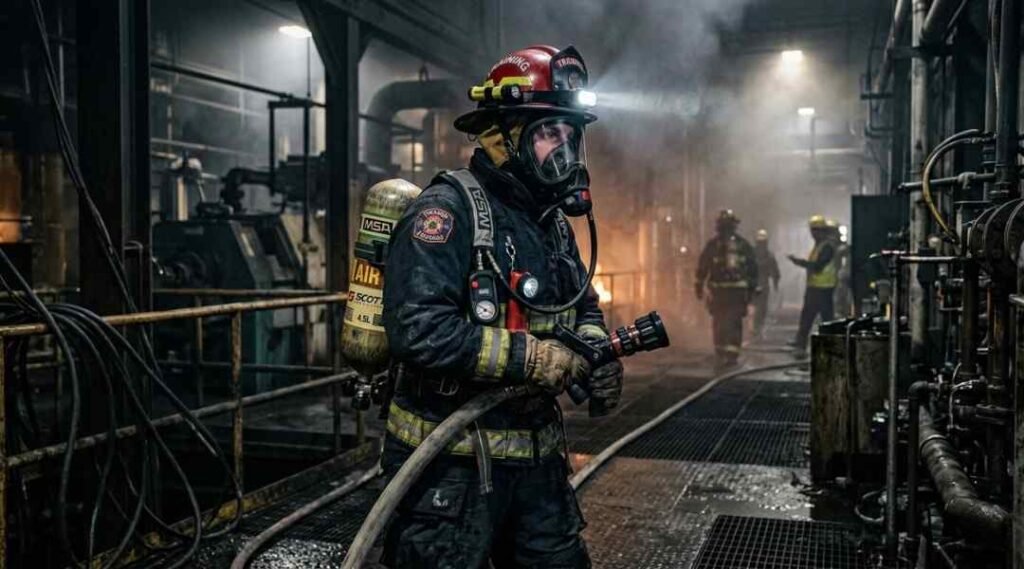
SCBA (Self-Contained Breathing Apparatus) is a respiratory protection system that provides breathable compressed air from a cylinder carried by the user. It operates independently of the surrounding atmosphere, making it essential in oxygen-deficient, smoke-filled, or toxic environments. Unlike filter-based respirators, an SCBA respirator supplies clean air regardless of external contaminants.
According to the Occupational Safety and Health Administration (OSHA), SCBA is required in environments classified as IDLH (Immediately Dangerous to Life or Health) under 29 CFR 1910.134.
In simple terms?
If the air can kill you—SCBA replaces it.
Why SCBA Matters More Globally in 2026
Here’s what’s changed in the last five years.
Industrial expansion in Asia, increased offshore drilling, lithium battery manufacturing, and chemical storage growth have increased atmospheric hazards worldwide. The World Health Organization (WHO) confirms that exposure to hazardous air pollutants contributes to millions of premature deaths annually—many in occupational settings.
But here’s the kicker:
Most top-ranking articles explain what SCBA is.
Very few explain why it’s becoming more critical globally right now.
Global Risk Trends Driving SCBA Demand
Increase in confined space operations in urban infrastructure projects
Growth in oil & gas processing facilities
Rising chemical storage incidents
Lithium-ion battery fire risks
Stricter global HSE regulations
In 2026, safety compliance isn’t optional—it’s audited, digitized, and traceable.
And regulators worldwide—from OSHA in the U.S. to the Health and Safety Executive (UK HSE)—require proper respiratory protection programs.
No shortcuts.
How SCBA Works: The 4-Component Life-Support System
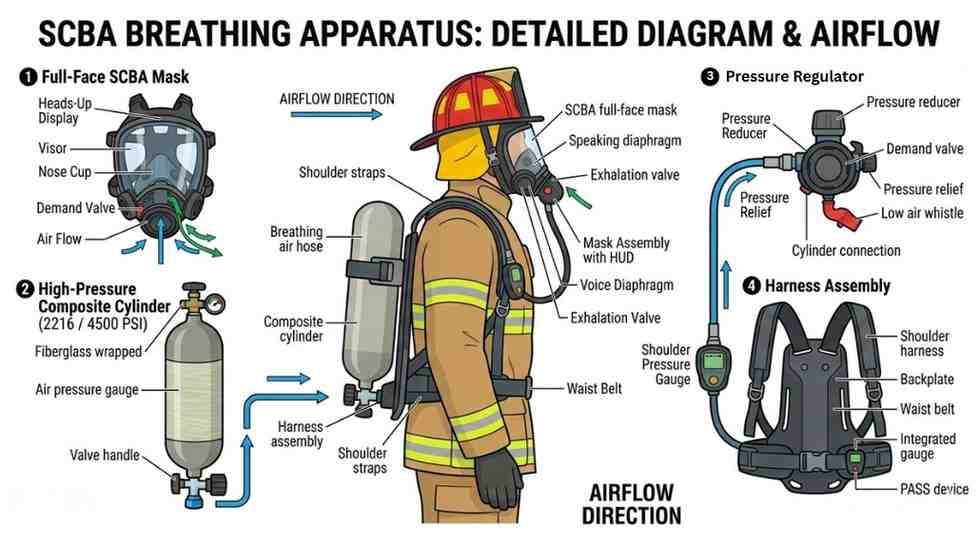
At its core, an SCBA breathing apparatus includes four essential components:
1. High-Pressure Air Cylinder
Stores compressed breathable air (typically 30–60 minutes capacity at 200–300 bar).
2. Pressure Regulator
Reduces high cylinder pressure to breathable pressure.
3. SCBA Mask (Full-Face Mask)
Creates an airtight seal and supplies clean air to the wearer.
4. Harness & Backplate Assembly
Supports the cylinder comfortably on the user’s back.
Here’s the flow:
Compressed air → Pressure reduction → Mask delivery → Safe inhalation.
Simple in theory. Critical in execution.
Important distinction:
An SCBA respirator does NOT filter contaminated air.
It provides its own air supply.
That difference saves lives.
Types of SCBA: Open-Circuit vs Closed-Circuit
When selecting SCBA globally, there are two main types:
Open-Circuit SCBA
Most common
Air is inhaled from cylinder and exhaled into atmosphere
Used by firefighters and industrial responders
Typical duration: 30–60 minutes
Closed-Circuit SCBA (Rebreather)
Exhaled air is recycled
Carbon dioxide removed, oxygen replenished
Longer duration (up to 4 hours)
Used in mining and specialized rescue
According to National Institute for Occupational Safety and Health (NIOSH), SCBA devices must meet strict performance and testing standards before certification.
That certification mark? It’s not decorative. It’s life insurance.
SCBA vs Other Respirators: What Most People Get Wrong
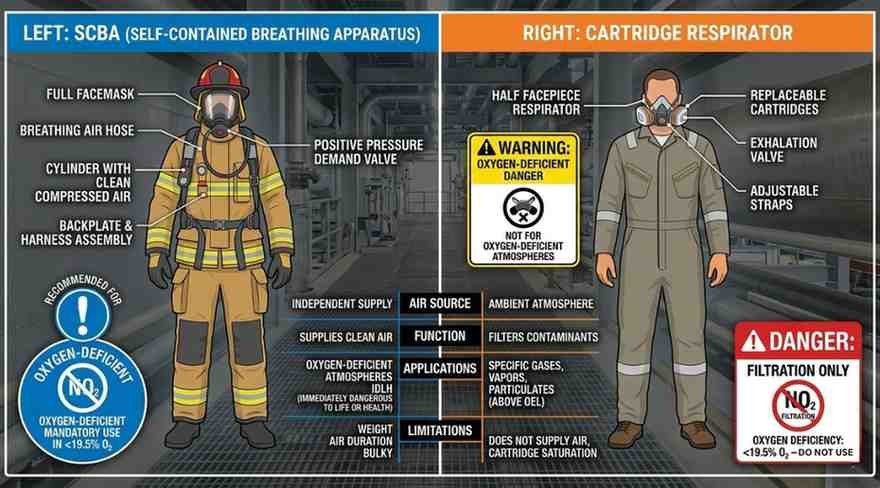
Let’s clear up a common misunderstanding.
Many assume an SCBA mask is similar to a cartridge respirator. It’s not.
| Feature | SCBA | Cartridge Respirator |
|---|---|---|
| Air Source | Self-contained | Filters ambient air |
| IDLH Safe? | Yes | No |
| Oxygen Deficiency Safe? | Yes | No |
| Duration | Limited by cylinder | Filter-dependent |
| Weight | Heavy | Lightweight |
Here’s the truth most articles won’t say:
If oxygen drops below 19.5%, filter masks become useless.
SCBA doesn’t.
And that’s why global confined space entry standards mandate SCBA.
When Should SCBA Be Used?
SCBA breathing apparatus is required in:
Confined space entry
Firefighting
Chemical spill response
Toxic gas release
Oxygen-deficient environments
Hazardous material (HAZMAT) response
According to OSHA and UK HSE guidance, any atmosphere classified as IDLH demands positive-pressure SCBA.
Picture this:
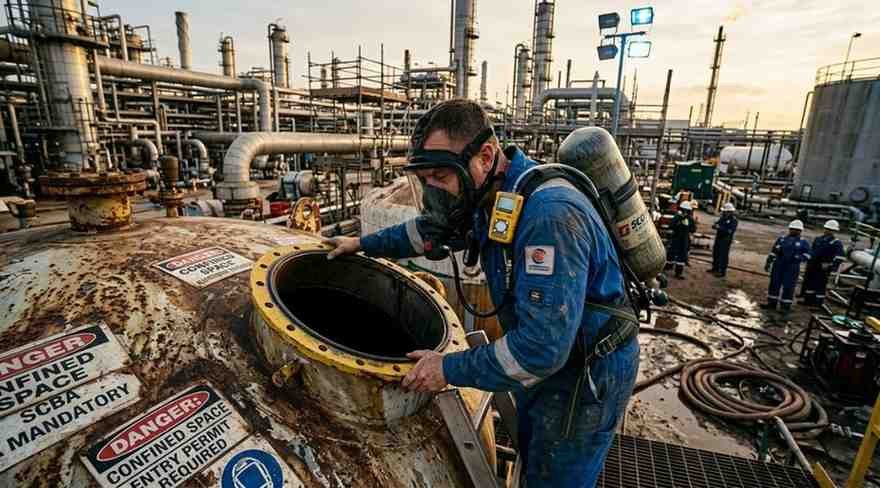
A refinery technician enters a tank during maintenance. Gas detection shows fluctuating oxygen levels. You can’t “smell” oxygen deficiency. You don’t get warning signs.
You collapse.
That’s why SCBA training and atmospheric monitoring go together.
Real-World Case: Why Training Matters
In 2024, during an industrial plant emergency drill in South Asia, a worker incorrectly sealed his SCBA mask due to facial hair interference. During smoke simulation, air leakage occurred.
The lesson? Fit testing matters.
According to International Organization for Standardization (ISO 16975-3), respirator fit testing is mandatory to ensure proper sealing.
SCBA equipment alone doesn’t save lives.
Correct usage does.
Benefits of Using SCBA Globally
Primary benefit: Independent air supply in lethal atmospheres.
But it goes deeper:
Enables rescue operations in toxic conditions
Protects emergency responders
Ensures regulatory compliance
Reduces occupational fatalities
Supports global HSE audit requirements
For industries like oil & gas, petrochemical, marine, and mining, SCBA is non-negotiable.
However—
If you’re working in low-risk, well-ventilated environments, SCBA may not be necessary. Risk assessment determines need.
There’s no one-size-fits-all answer.
Frequently Asked Questions About SCBA
SCBA stands for Self-Contained Breathing Apparatus, a respiratory protection system that supplies breathable compressed air independent of the surrounding atmosphere.
An SCBA respirator provides its own air supply, while standard respirators filter contaminated ambient air. SCBA is required in oxygen-deficient or IDLH environments.
Most open-circuit SCBA cylinders last 30 to 60 minutes depending on cylinder size and breathing rate.
Yes, in environments classified as IDLH or oxygen-deficient, global occupational safety regulations require SCBA use.
Yes. Cylinders are refilled, and units are reusable after inspection, cleaning, and maintenance per manufacturer guidelines.
Fire services, oil & gas, chemical plants, marine, mining, and hazardous materials response teams.
Final Thoughts: Why SCBA Is Non-Negotiable
After years in industrial safety environments, here’s what truly matters:
First: Air is invisible—but deadly when compromised.
Second: SCBA breathing apparatus provides independence from atmospheric risk.
Third: Training and fit testing are just as important as the equipment itself.
Globally, SCBA isn’t just PPE.
It’s survival equipment.
If your organization handles confined spaces, toxic gases, or emergency response—review your respiratory protection program today.
Lives depend on it.
HSE Training & SCBA Awareness Programs by M2Y Safety Consultancy FZ LLC
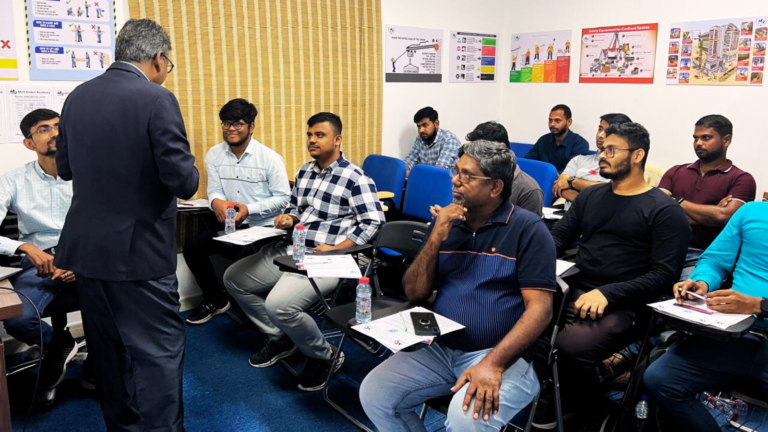
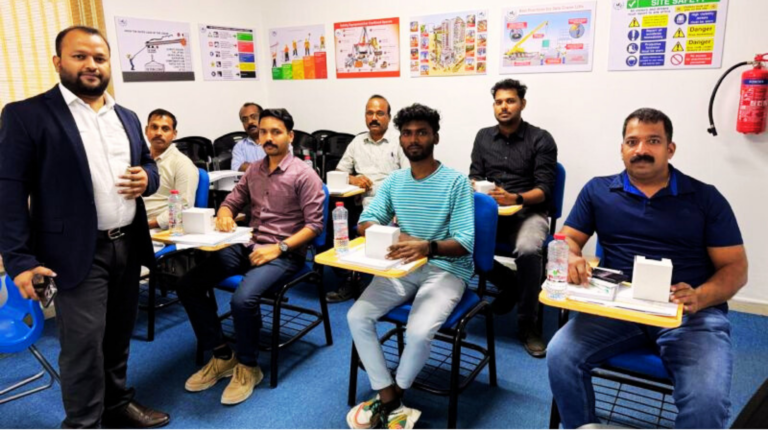
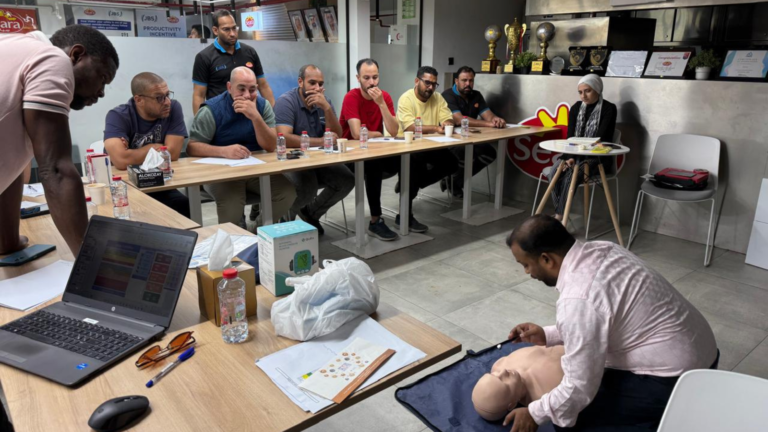
When it comes to respiratory protection and SCBA breathing apparatus training, theory alone isn’t enough. Practical drills, fit testing, and emergency simulation exercises make the difference between compliance and real preparedness.
That’s where M2Y Safety Consultancy FZ LLC steps in.
Based in the UAE and serving clients globally, M2Y Safety Consultancy FZ LLC offers industry-focused HSE training courses designed for high-risk sectors including:
Oil & Gas
Construction
Marine & Offshore
Manufacturing
Fire & Emergency Response
What Makes M2Y Training Different?
✔ Practical SCBA breathing apparatus handling sessions
✔ Confined space entry training aligned with international standards
✔ Emergency response drills and rescue simulations
✔ Compliance-focused training aligned with OSHA, UK HSE & global safety frameworks
✔ Corporate batch training (on-site & virtual formats available globally)
Whether your team operates in the Middle East, Asia, Europe, or Africa, the goal remains the same:
Build competency before an emergency happens.
Because in real-world incidents, there’s no pause button.
If your organization requires structured HSE training, SCBA user certification, or respiratory protection program support, M2Y Safety Consultancy FZ LLC provides customized programs tailored to operational risk levels.
👉 Contact M2Y Safety Consultancy FZ LLC to strengthen your workplace safety systems and ensure global compliance.