Rigger
If you’ve ever watched a massive crane lift steel beams on a construction site or seen heavy machinery being positioned with millimeter precision, you’ve witnessed the critical work of a rigger. Yet despite their essential role in construction, oil and gas, and industrial sectors, many people still ask: “What exactly does a rigger do, and how do I become one?”
Whether you’re considering a career change, looking to upskill your workforce, or simply curious about this vital trade, understanding the rigger profession is your first step toward workplace safety and professional growth. In the UAE’s booming construction and industrial landscape, qualified riggers are not just in demand—they’re essential to keeping projects on schedule and workers safe.
A rigger is a skilled tradesperson who specializes in the lifting, moving, and positioning of heavy objects using cranes, hoists, pulleys, and other lifting equipment. Think of riggers as the architects of safe lifting operations—they calculate load weights, select appropriate rigging gear, and ensure every lift happens without incident.
The rigger meaning extends beyond just operating equipment. These professionals are safety experts who understand:
- Load dynamics and weight distribution
- Equipment capacity and limitations
- Environmental factors affecting lifts
- Communication protocols on job sites
- Industry regulations and compliance standards
According to the U.S. Bureau of Labor Statistics, riggers work in some of the most challenging environments, from high-rise construction sites to offshore oil platforms, where precision and safety are literally matters of life and death.

Rigger Duties and Responsibilities: What Does a Rigger Actually Do?
Core Responsibilities
The daily rigger work involves a complex blend of physical skills, technical knowledge, and safety awareness. Here’s what professional riggers handle on a typical workday:
Pre-Lift Planning
- Inspect all rigging equipment before each use
- Calculate load weights and center of gravity
- Select appropriate slings, shackles, and hardware
- Assess environmental conditions (wind, space, obstacles)
During Operations
- Direct crane operators using standardized hand signals
- Monitor load stability throughout the lift
- Ensure clearance from overhead power lines and structures
- Communicate continuously with the lifting team
Post-Lift Duties
- Properly store and maintain rigging equipment
- Document any equipment damage or concerns
- Complete safety checklists and incident reports
- Conduct team debriefs on complex lifts
Safety Leadership
Perhaps the most critical aspect of rigger duties and responsibilities is serving as the on-site safety authority for lifting operations. Riggers have the power—and obligation—to stop any unsafe lift, regardless of time pressures or project deadlines.
Types of Riggers: Specializations Within the Field
Not all riggers perform the same work. The profession includes several specializations:
| Rigger Type | Primary Work Environment | Key Skills Required |
|---|---|---|
| Construction Rigger | Building sites, infrastructure projects | Steel erection, concrete placement, equipment positioning |
| Industrial Rigger | Manufacturing plants, refineries | Machinery installation, maintenance support, plant modifications |
| Marine Rigger | Shipyards, offshore platforms | Vessel equipment, cargo handling, maritime rigging techniques |
| Entertainment Rigger | Theatres, concert venues, events | Stage equipment, lighting rigs, temporary structures |
| Tower Crane Rigger | High-rise construction | Crane assembly/disassembly, extreme height operations |
Each specialization requires additional training and often industry-specific certifications. In the UAE, construction and industrial riggers represent the largest employment sectors, driven by Dubai’s ambitious development projects and Abu Dhabi’s industrial expansion.
Essential Skills and Qualifications for Rigger Jobs
Technical Competencies
Successful riggers combine multiple skill sets:
- Mathematical proficiency: Calculating loads, angles, and equipment capacity
- Mechanical aptitude: Understanding how lifting equipment functions
- Spatial awareness: Visualizing three-dimensional load movements
- Equipment knowledge: Familiarity with various rigging hardware and tools
- Communication skills: Clear signaling and team coordination
Physical Requirements
Rigging is physically demanding work. Expect to:
- Work at heights and in confined spaces
- Lift and carry equipment (often 20-30 kg)
- Stand, bend, and climb for extended periods
- Work outdoors in various weather conditions
- Maintain focus during long, repetitive tasks
Certification Requirements in the UAE
The UAE has strict safety regulations governing rigger certification. The Department of Economic Development (DED) and individual emirate authorities require riggers to hold valid certifications from recognized training providers.
Standard certifications include:
- Basic Rigging and Slinging
- Advanced Rigging Techniques
- Crane Signaling and Communication
- Load Calculation and Lift Planning
Rigger Training: Your Pathway to Certification
What to Expect in a Rigger Course
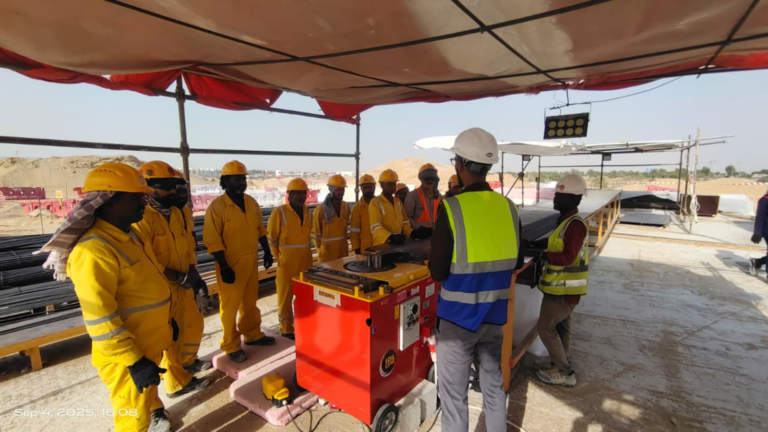
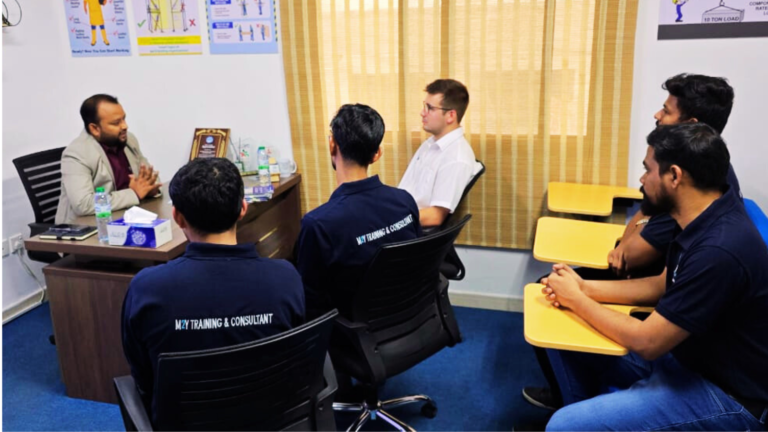
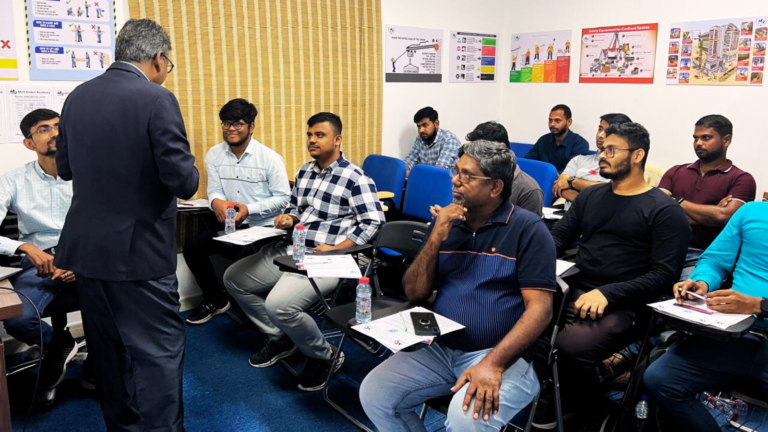
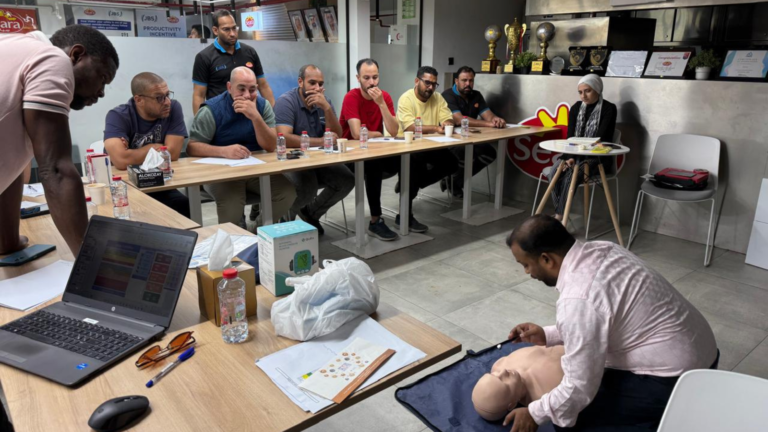
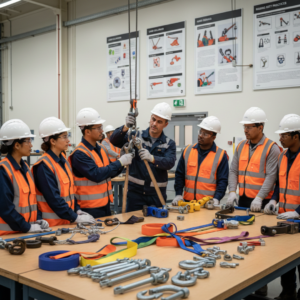
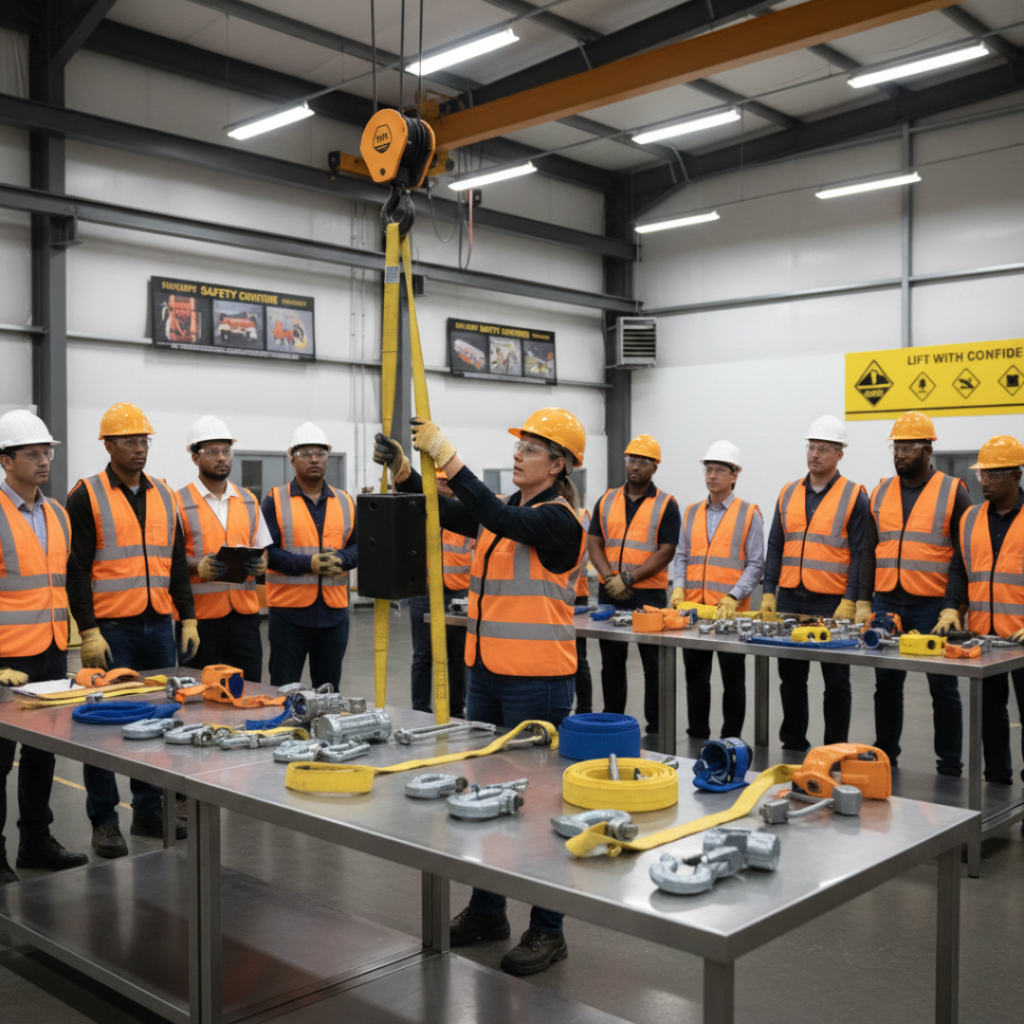
Quality rigger training combines classroom theory with hands-on practical application. At M2Y Safety Consultancy, our comprehensive rigger course in Dubai covers:
Theoretical Components
- Load dynamics and center of gravity principles
- Equipment inspection and maintenance protocols
- UAE safety regulations and compliance standards
- Risk assessment and hazard identification
- Emergency response procedures
Practical Training
- Equipment selection and inspection exercises
- Rigging various load types and configurations
- Crane communication and hand signal practice
- Lift planning for complex scenarios
- Real-world simulation exercises
Course Duration and Investment
Most basic rigger courses run 3-5 days, with advanced certifications requiring additional training. While costs vary, investing in proper training is essential—improperly trained riggers pose serious safety risks and liability concerns.
According to the American Society of Safety Professionals, inadequate rigging practices contribute to approximately 30% of crane-related accidents. Professional training dramatically reduces these risks.
Choosing the Right Training Provider
Not all rigger training is equal. When selecting a course, verify:
✓ Accreditation by recognized safety authorities
✓ Experienced instructors with field experience
✓ Modern equipment for hands-on training
✓ Comprehensive curriculum covering UAE regulations
✓ Post-training support and recertification services
M2Y Safety Consultancy offers internationally recognized rigger certification programs that meet UAE regulatory requirements while preparing you for real-world challenges. Our trainers bring decades of field experience from major construction and industrial projects across the Middle East.
Rigger Jobs: Career Opportunities and Salary Expectations in the UAE
Growing Demand in the UAE Market
The UAE construction sector alone is projected to reach $154 billion by 2027, according to industry reports. This growth translates directly into rigger job opportunities across multiple sectors:
- Construction companies: High-rise buildings, infrastructure, residential projects
- Oil and gas firms: Refineries, offshore platforms, pipeline projects
- Manufacturing facilities: Equipment installation and maintenance
- Port operations: Cargo handling and vessel services
- Industrial maintenance: Plant shutdowns and turnarounds
Salary Ranges
Rigger salaries in the UAE vary based on experience, certifications, and employer:
- Entry-level riggers: AED 2,500 – 4,000/month
- Experienced riggers: AED 4,500 – 7,000/month
- Senior riggers/supervisors: AED 8,000 – 12,000/month
- Specialist riggers: AED 10,000 – 15,000+/month
Additional benefits often include accommodation, transportation, medical insurance, and annual flights—standard in the UAE’s competitive labor market.
Career Advancement Paths
Rigging offers clear progression opportunities:
- Junior Rigger → Certified Rigger → Senior Rigger
- Rigging Supervisor → Lifting Operations Manager
- Safety Officer (Lifting Specialist)
- Rigging Consultant/Trainer
Many successful riggers transition into project management, safety management, or equipment inspection roles, leveraging their technical knowledge and field experience.
Safety First: The Critical Importance of Proper Rigging
Real-World Consequences
The stakes in rigging work couldn’t be higher. Improper rigging causes serious accidents, property damage, project delays, and tragically, loss of life. The Occupational Safety and Health Administration (OSHA) reports that rigging and lifting accidents remain among the top causes of workplace fatalities in construction and industrial sectors.
Consider these sobering statistics:
- Approximately 22% of crane accidents involve rigging failures
- Damaged or incorrect rigging equipment contributes to 50% of load-related incidents
- Most accidents are preventable through proper training and procedures
Common Rigging Hazards
Professional riggers must recognize and mitigate:
- Overloading: Exceeding equipment capacity ratings
- Equipment wear: Using damaged slings, shackles, or hardware
- Environmental factors: Wind, rain, unstable ground conditions
- Communication failures: Misunderstood signals or unclear instructions
- Inadequate planning: Rushing lifts without proper preparation
Why Choose M2Y Safety Consultancy for Your Rigger Training?
When your career—and lives—depend on proper training, choosing the right provider matters. M2Y Safety Consultancy stands apart through:
Proven Track Record We’ve trained thousands of riggers across the UAE and Middle East, with our graduates working on landmark projects including Dubai Creek Tower, NEOM, and major petrochemical facilities.
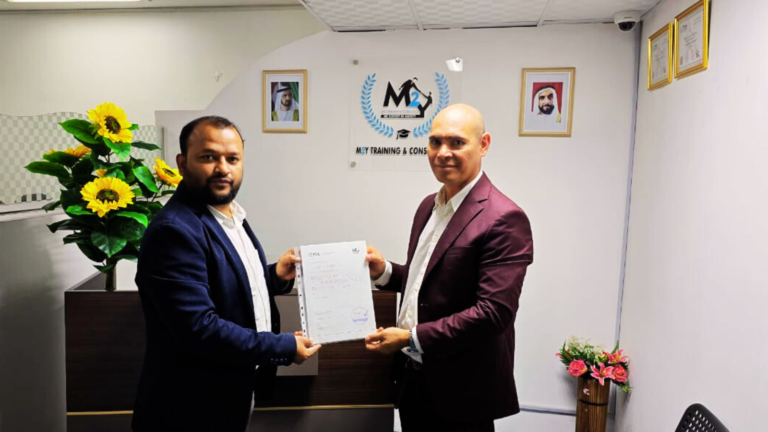
Industry-Recognized Certification Our rigger courses meet international standards and UAE regulatory requirements, ensuring your certification is recognized across industries and borders.
Experienced Instructors Learn from professionals who’ve performed rigging operations in the world’s most challenging environments—not just classroom theorists.
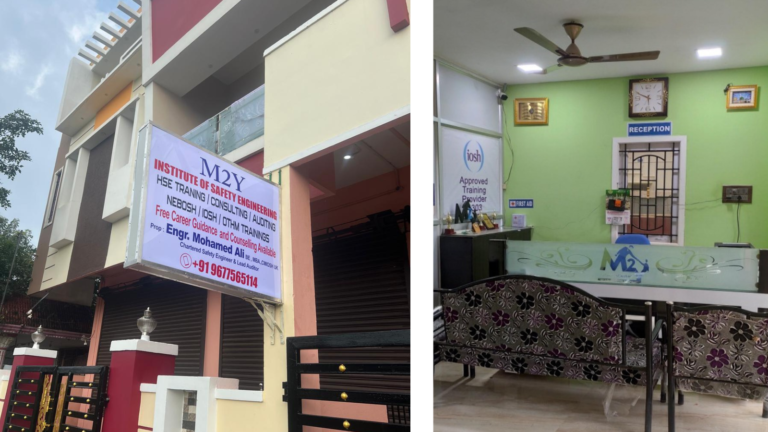
Modern Training Facilities Access state-of-the-art equipment and realistic training scenarios that prepare you for actual job site conditions.
Ongoing Support Training doesn’t end when your course finishes. We provide continuing education, recertification services, and career placement assistance.
Frequently Asked Questions (FAQs)
Basic rigger certification typically requires 3-5 days of intensive training, combining classroom instruction with hands-on practice. However, becoming truly proficient requires on-the-job experience. Most employers expect 6-12 months of supervised work before riggers operate independently. Advanced certifications and specializations require additional training periods.
No previous rigging experience is necessary for basic certification courses. However, general construction or industrial experience helps you understand job site environments and safety protocols. Physical fitness and comfort working at heights are important. Most training providers, including M2Y Safety Consultancy, welcome complete beginners and provide foundational knowledge before advancing to complex techniques.
Rigger course fees in Dubai typically range from AED 1,200 to AED 3,500, depending on course depth, duration, and certification level. Basic rigging courses cost less, while advanced or specialized training commands higher fees. Consider this an investment—certified riggers earn significantly more than uncertified workers, typically recovering training costs within 2-3 months of employment.
Yes, rigger jobs remain consistently in demand across the UAE. Major construction projects, industrial expansion, and infrastructure development create ongoing needs for qualified riggers. Dubai, Abu Dhabi, and Sharjah offer the most opportunities, though positions exist throughout the Emirates. Riggers with multiple certifications and English proficiency enjoy the strongest job prospects.
Riggers and crane operators work together but have distinct roles. Riggers prepare loads, select and attach rigging equipment, ensure proper weight distribution, and signal crane operators during lifts. Crane operators control the crane itself, operating the machinery according to rigger signals. Many professionals eventually obtain both certifications, increasing their employability and earning potential.
In the UAE, rigger certifications typically require renewal every 2-3 years, though specific requirements vary by emirate and employer. Renewal usually involves refresher training, updated safety protocols, and practical assessment. Regular recertification ensures riggers stay current with evolving safety standards, new equipment types, and best practices. M2Y Safety Consultancy offers convenient recertification courses scheduled throughout the year.
Take the Next Step in Your Rigging Career
The path to becoming a certified rigger combines technical training, hands-on experience, and unwavering commitment to safety. Whether you’re entering the field or advancing your existing skills, proper training isn’t optional—it’s essential for your career, your colleagues’ safety, and project success.
The UAE’s construction and industrial sectors need skilled riggers now more than ever. With major developments underway across all emirates and ambitious projects on the horizon, qualified professionals enjoy excellent career prospects, competitive compensation, and opportunities for advancement.
Ready to start your rigger training journey?
Visit M2Y Safety Consultancy to explore our comprehensive rigger certification courses, view upcoming training schedules, and speak with our expert advisors. We offer flexible course dates, corporate training packages, and support for individual professionals looking to enhance their skills.
Don’t leave your career—or workplace safety—to chance. Invest in professional rigger training that prepares you for real-world challenges and opens doors to rewarding opportunities across the UAE and beyond.
Contact M2Y Safety Consultancy today and discover why thousands of professionals trust us for their safety training needs. Your future as a certified rigger starts here.