Working at Heights
When Khalid watched his colleague slip from a scaffold platform three meters above ground, time seemed to freeze. Thanks to proper fall arrest equipment and training from M2Y Safety Consultancy, what could have been a fatal accident became a controlled arrest with minor bruising. The harness caught him, the anchor held, and within minutes, rescue procedures were underway. Khalid’s team had completed their working at heights training just two months earlier—a decision that quite literally saved a life that day.
This incident isn’t unique. Falls from height remain the leading cause of workplace fatalities in the UAE construction sector, accounting for over 40% of all fatal accidents according to Dubai Municipality statistics. Yet the tragic irony is that nearly every working at height incident is preventable with proper training, equipment, and procedures.
Whether you’re a construction worker ascending scaffolds daily, a facilities maintenance technician accessing rooftops, a telecom installer working on towers, or a supervisor responsible for others working at elevation, understanding working at heights safety isn’t optional—it’s essential for survival. This comprehensive guide covers everything you need to know about working safely at heights in the UAE, from identifying hazards and selecting fall protection equipment to obtaining proper certification and implementing effective safety systems.
What is Working at Heights?
Working at heights refers to any work activity where a person could fall a distance liable to cause personal injury. While definitions vary slightly by jurisdiction, most safety regulations—including UAE standards—define working at height as any work performed:
- Above 2 meters from ground level or another stable surface
- Near or adjacent to openings through which a person could fall (roof edges, floor openings, excavations)
- On fragile surfaces that may not support a person’s weight (skylights, fragile roofing)
- Where there is risk of falling objects injuring people below
Common Working at Height Activities in UAE:
- Scaffold erection, use, and dismantling
- Ladder work and access equipment
- Rooftop maintenance and repairs
- Tower climbing (telecommunications, wind turbines)
- Bridge and elevated highway construction
- High-rise building construction and façade work
- Aerial work platforms (cherry pickers, scissor lifts)
- Window cleaning on tall buildings
- HVAC installation and maintenance on roofs
- Gantry and overhead crane maintenance
- Tank and vessel access (oil & gas industry)
- Confined space entry with depth elements
Why Working at Heights is High-Risk
Falls from height are particularly dangerous because:
- High Energy Impact: Even short falls generate significant force upon landing
- Fall from 2m ≈ impact of 1,000 kg hitting the body
- Fall from 6m ≈ impact exceeding 4,000 kg
- Severe Consequences: Falls frequently result in:
- Spinal injuries and paralysis
- Head trauma and brain injury
- Multiple fractures
- Internal organ damage
- Fatalities
- Multiple Contributing Factors:
- Human error (rushing, distraction, overconfidence)
- Equipment failure (poor maintenance, incorrect use)
- Environmental conditions (wind, rain, heat, poor visibility)
- Poor planning (inadequate risk assessment)
- Inadequate training
- Delayed Consequences: Suspension trauma can occur in arrested falls if rescue is delayed
UAE Construction Statistics: According to Dubai Municipality and Abu Dhabi OSHAD Framework reports:
- Falls from height: 35-45% of construction fatalities
- Average fall distance in fatal incidents: 4-8 meters
- Most common failure: Inadequate fall protection systems
- Peak incident times: Early morning (rushing) and late afternoon (fatigue)
These sobering statistics underscore why proper working at heights training and certification are mandatory requirements across UAE construction and industrial sectors.
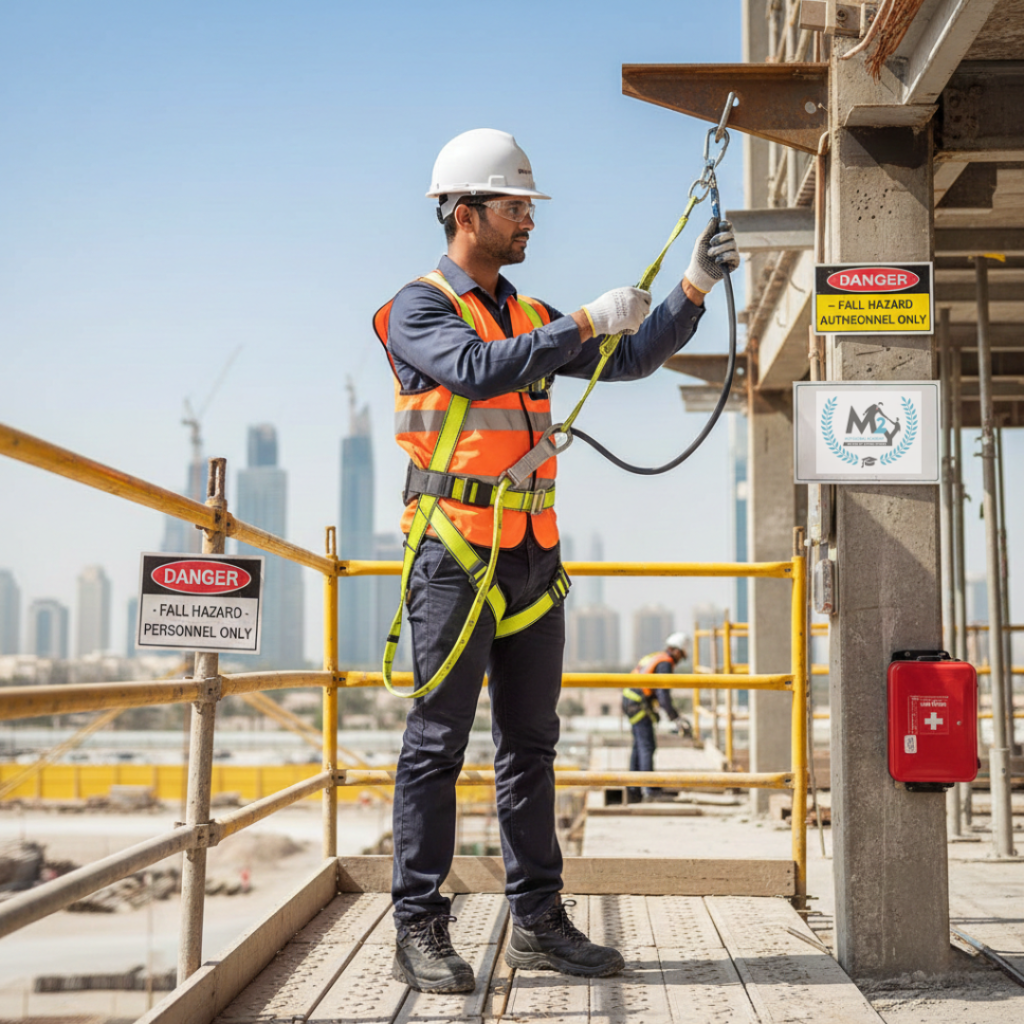
Hazards for Working at Height: Understanding the Risks
Effective fall prevention begins with comprehensive hazard identification. Working at height hazards fall into several categories:
1. Falling from Height (Primary Hazard)
Common Scenarios:
- Unprotected edges: Roof perimeters, floor openings, scaffold platforms without guardrails
- Unstable work platforms: Scaffolds not properly erected, makeshift platforms
- Ladder incidents: Slipping, overreaching, incorrect ladder angle, ladder movement
- Equipment failure: Defective harnesses, worn lanyards, weak anchor points
- Loss of balance: Caused by wind, carrying loads, uneven surfaces
- Medical events: Heat stroke, dizziness, cardiac events while elevated
Contributing Factors:
- Inadequate or absent fall protection equipment
- Failure to use provided equipment correctly
- Poor housekeeping (clutter, debris on platforms)
- Inadequate lighting
- Adverse weather (wind, rain reducing visibility/grip)
- Worker fatigue or impairment
- Lack of competence or training
2. Fragile Surfaces
Types of Fragile Materials:
- Skylights and roof lights (acrylic, polycarbonate)
- Fiber cement sheeting
- Corrugated metal roofing (rusted or deteriorated)
- Ceiling tiles and panels
- Temporary coverings over openings
Danger: Materials appear solid but cannot support a person’s weight, leading to falls through the surface
Control Measures:
- Identify all fragile surfaces before work begins
- Use crawling boards or roof ladders distributing weight
- Install guardrails or covers over fragile areas
- Never assume a surface is safe without verification
- Use fall arrest systems even when working on apparently solid roofs
3. Falling Objects
Objects That May Fall:
- Tools (hammers, wrenches, power tools)
- Building materials (bricks, timber, metal pieces)
- Debris and waste materials
- Equipment components
- Personal items from workers’ pockets
Risks:
- Serious injury or death to workers below
- Damage to equipment and materials
- Public safety hazard (falling objects leaving site boundaries)
Control Measures:
- Exclusion zones (barricaded areas preventing access below)
- Toe boards on scaffold platforms
- Tool lanyards (securing tools to worker or structure)
- Debris netting and catch platforms
- Covered walkways protecting ground-level workers
- Proper storage and securing of materials
- Regular housekeeping removing debris
4. Poor Access and Egress
Access Hazards:
- Inadequate ladder provision or placement
- Cluttered access routes
- Poor lighting in stairwells or access areas
- No safe means of getting to work area
- Emergency exit routes blocked or inadequate
Consequences:
- Increased fall risk during access/egress
- Delayed emergency evacuation
- Worker exhaustion from difficult access increasing error risk
5. Environmental Hazards
Weather Conditions:
- High winds: Can cause loss of balance, blow materials, make crane operations unsafe
- Rain: Slippery surfaces, reduced visibility, wet equipment
- Extreme heat: Heat stress, dehydration, dizziness (critical in UAE summers)
- Cold: Reduced dexterity, icy surfaces (less common in UAE but relevant for indoor cold storage)
- Poor visibility: Fog, dust storms (particularly relevant in desert environment)
Work Environment:
- Overhead power lines (electrocution risk)
- Moving machinery below work area
- Vehicle traffic near work area
- Congested work areas with multiple trades
- Night work with inadequate lighting
6. Equipment and Tool Hazards
Scaffold Hazards:
- Incomplete scaffold (missing guardrails, toe boards)
- Overloading beyond design capacity
- Unstable base or inadequate foundations
- Missing or inadequate ties to structure
- Damaged components (bent tubes, cracked fittings)
- Lack of inspection tags
Ladder Hazards:
- Wrong ladder for the task (too short, wrong type)
- Incorrect angle (should be 75° or 4:1 ratio)
- Unstable footing or top support
- Damaged rungs or stiles
- Using ladders as work platforms (should be for access only)
- Overreaching while on ladder
Aerial Work Platform (AWP) Hazards:
- Tip-over on uneven ground
- Collision with structures or overhead obstacles
- Falls from platform (not wearing harness)
- Crushing between platform and structure
- Inadequate operator training
7. Human Factor Hazards
Behavioral Risks:
- Complacency: “I’ve done this a hundred times without incident”
- Rushing: Time pressure leading to shortcuts
- Distraction: Mobile phones, conversations, worries
- Fatigue: Working long hours, inadequate rest breaks
- Overconfidence: Experienced workers taking unnecessary risks
- Peer pressure: Not wanting to appear “weak” by raising safety concerns
Physiological Factors:
- Fear of heights (vertigo) affecting performance
- Medical conditions (heart problems, epilepsy, diabetes)
- Medication side effects (drowsiness, dizziness)
- Substance impairment (absolutely forbidden but unfortunately occurs)
- Age-related factors (vision, balance, strength decline)
8. Rescue and Emergency Hazards
Suspension Trauma:
- Worker suspended in harness after arrested fall
- Blood pooling in legs causing serious medical emergency
- Can be fatal within 15-30 minutes without prompt rescue
- Requires immediate rescue procedures and medical attention
Inadequate Emergency Planning:
- No rescue plan in place
- Rescue equipment unavailable or inaccessible
- Personnel not trained in rescue procedures
- No communication system for emergency alerts
- Delayed emergency response
Work at Height Safety: The Hierarchy of Fall Protection
Effective working at heights safety follows a systematic hierarchy, prioritizing the most effective controls.
Level 1: Avoid Work at Height (Elimination)
The Most Effective Control: Eliminate the need to work at height altogether.
Practical Applications:
- Pre-assembly on ground: Construct building components at ground level before lifting into position
- Remote operation: Use drones for inspections instead of human access
- Long-reach equipment: Telescopic tools allowing ground-level operation
- Design solutions: Locate equipment requiring maintenance at ground level
- Alternative methods: Consider construction techniques not requiring height access
Example: Installing HVAC units on ground-level pads instead of rooftops, or using pole-mounted cameras instead of tower-mounted equipment.
When Possible: Always the preferred option, though frequently not feasible for construction and maintenance work.
Level 2: Prevent Falls (Collective Protection)
Second Priority: If work at height cannot be avoided, prevent people from falling using collective protection that doesn’t rely on individual behavior.
Guardrail Systems:
- Top rail: 900-1100mm high
- Mid rail: Halfway between top rail and working surface
- Toe boards: 150mm minimum height preventing objects falling
- Strong enough: Withstand 900N force in any direction
- No gaps: Greater than 470mm that a person could fall through
Advantages:
- Protects everyone in the area automatically
- No need for individual PPE
- Allows hands-free work
- No special training required for workers
- Most reliable protection method
Applications:
- Scaffold platforms with proper guardrails
- Roof edge protection systems
- Mezzanine floor edges
- Elevated walkways and platforms
- Stairwells and ramps
Safety Netting:
- Positioned to catch falling workers or objects
- Tested to appropriate standards
- Inspected regularly
- Requires competent installation
Working Platforms:
- Mobile elevated work platforms (MEWPs/cherry pickers)
- Scissor lifts with guardrailed platforms
- Properly constructed scaffolds
- Prefabricated access towers
Level 3: Mitigate Falls (Personal Fall Protection)
Third Priority: If falls cannot be prevented, minimize the distance and consequences using personal fall protection equipment.
Personal Fall Arrest Systems (PFAS):
Components (ABC of Fall Protection):
A – Anchorage/Anchor Point:
- Structural point capable of supporting fall arrest forces (minimum 22kN/2,200kg for one person)
- Examples: Certified roof anchors, structural steel, concrete anchors
- Must be installed by competent person
- Inspected before each use
- Positioned to prevent swing falls
B – Body Support (Full-Body Harness):
- Worn around body with straps over shoulders, around legs, across chest
- D-ring attachment point on back (dorsal) or chest (frontal)
- Must fit properly (neither too loose nor too tight)
- Inspected before each use
- Replaced after arresting a fall or showing damage
C – Connector/Connecting Device:
- Energy absorbers: Tear-webbing or deforming systems limiting forces on body during fall arrest (maximum 6kN)
- Lanyards: Fixed-length connections (typical 1.8-2m)
- Self-retracting lifelines (SRLs): Retractable lines allowing mobility (3-30m)
- Vertical lifelines: Rope or rail systems with sliding grab allowing vertical movement
- Horizontal lifelines: Cable systems allowing horizontal movement along a line
Fall Arrest System Design Considerations:
- Free fall distance: Maximum distance fallen before arrest system activates (should be minimized, ideally <0.6m)
- Total fall distance: Free fall + lanyard extension + harness stretch + energy absorber deployment
- Required clearance: Ensure adequate space below work area (typical 6m minimum)
- Swing falls: Anchor point must be directly above work area to prevent pendulum effect
Work Positioning Systems:
- Allow worker to work hands-free in position (not primary fall arrest)
- Examples: Rope access systems, lineman belts, pole climbing systems
- Should be used with separate fall arrest backup
- Require specialized training
Restraint Systems:
- Prevent worker reaching fall edges (rather than arresting falls)
- Shorter lanyards keeping worker away from hazards
- Only appropriate when properly calculated and fall-free zone confirmed
Level 4: Safe Systems of Work
Administrative Controls: Procedures and training ensuring all controls are used correctly.
Permit-to-Work Systems:
- Required for high-risk height work
- Authorizes specific tasks under specific conditions
- Confirms risk assessment completed
- Verifies control measures in place
- Requires competent person authorization
- Valid for specific timeframe only
Method Statements:
- Step-by-step procedures for the task
- Identify hazards and control measures at each step
- Specify equipment and PPE required
- Include emergency procedures
- Communicated to all workers
Toolbox Talks:
- Pre-shift safety briefings
- Discuss specific hazards for the day’s work
- Confirm everyone understands procedures
- Opportunity to raise concerns
- Document attendance
Competent Supervision:
- Qualified supervisors overseeing height work
- Authority to stop unsafe work
- Regular monitoring of compliance
- Intervention when procedures not followed
Training and Competence:
- Working at heights certification for all workers
- Task-specific training (scaffold, MEWP, fall arrest systems)
- Refresher training (typically annual)
- Records maintained
Working at Heights Training and Certification in UAE
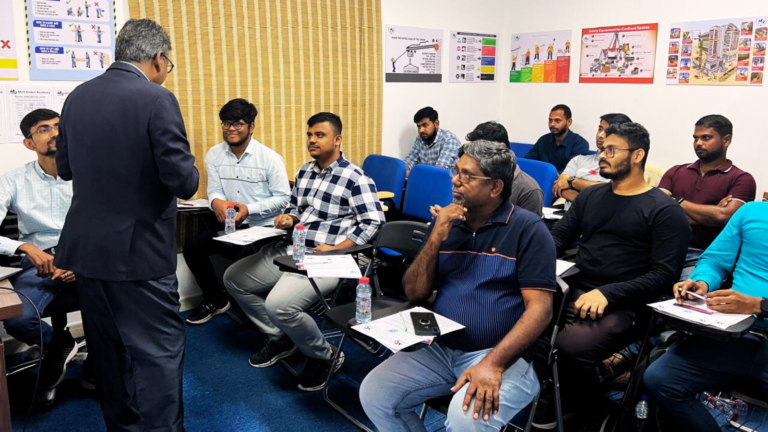
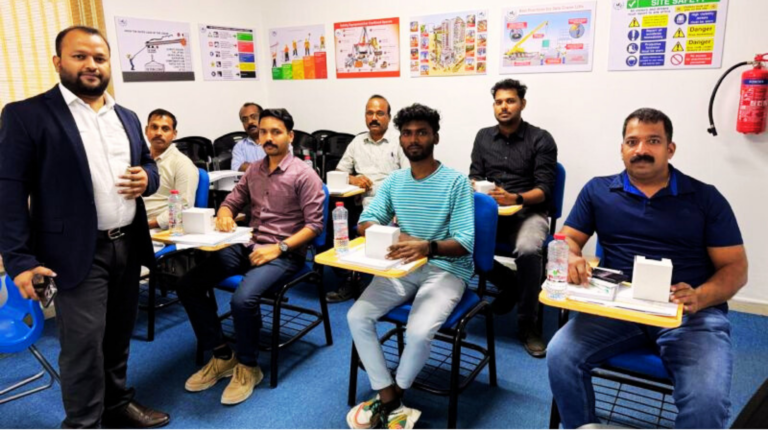
Proper training is not only a legal requirement but also the foundation of working at heights safety.
UAE Legal Requirements
Federal and Emirate Regulations:
- UAE Federal Law No. 8 of 1980 (Labor Law): Requires employers to provide safe working conditions and necessary training
- Ministerial Resolution No. 32 of 1982: Specifies requirements for construction work safety
- OSHAD Framework (Abu Dhabi): Element 8 requires working at height risk assessment and control
- Dubai Municipality Regulations: Mandate working at heights certification for construction workers
Who Requires Training:
- All workers performing tasks at height (above 2m)
- Supervisors overseeing work at height
- Rescue personnel
- Equipment inspectors
- Safety personnel conducting risk assessments
Working at Heights Course Structure
Typical Training Duration: 1-2 days (8-16 hours) depending on course level
Course Content:
Module 1: Introduction and Legislation
- UAE regulations and international standards
- Employer and worker responsibilities
- Consequences of falls (injury statistics)
- Importance of proper procedures
Module 2: Hazard Identification and Risk Assessment
- Common hazards for working at height
- Risk assessment methodology
- Hierarchy of fall protection
- Identifying fragile surfaces
- Environmental hazards
Module 3: Access Equipment
- Ladders (types, inspection, safe use)
- Scaffolding (components, inspection, safe use)
- Mobile elevated work platforms (MEWPs)
- Rope access systems (overview)
- Inspection requirements
Module 4: Fall Protection Equipment
- Full-body harnesses (selection, fitting, inspection)
- Lanyards and energy absorbers
- Self-retracting lifelines
- Anchor points and anchorage connectors
- Guardrail systems
- Safety nets
- Equipment inspection and maintenance
Module 5: Practical Skills
- Donning and adjusting harnesses
- Connecting to anchor points
- Pre-use equipment inspection
- Safe working techniques
- Emergency procedures
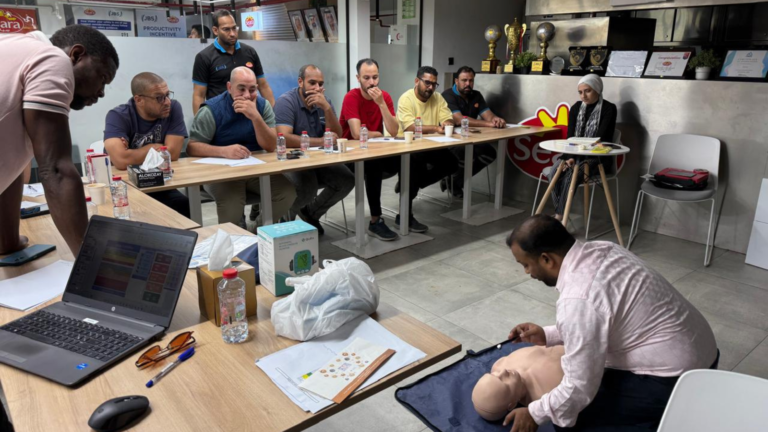
Module 6: Rescue Procedures
- Suspension trauma awareness
- Rescue planning requirements
- Basic rescue techniques
- Emergency communication
Module 7: Safe Systems of Work
- Permit-to-work systems
- Method statements
- Toolbox talks
- Incident reporting
Assessment:
- Written examination (multiple choice/short answer)
- Practical skills assessment (harness fitting, equipment use)
- Pass mark typically 70-80%
- Certificate issued upon successful completion
Working at Heights Online Course Options
Benefits of Online Learning:
- Flexible scheduling fitting work commitments
- Learn at your own pace
- Cost-effective (no travel/accommodation)
- Accessible from anywhere
- Digital certificates instantly available
Limitations:
- Theoretical knowledge only
- Cannot assess practical skills remotely
- No hands-on equipment familiarization
- Limited interaction with instructors
Best Practice – Blended Learning:
M2Y Safety Consultancy Blended Approach:
- Online theoretical modules (6-8 hours self-paced)
- Regulations and hazards
- Equipment types and specifications
- Risk assessment principles
- Emergency procedures
- In-person practical training (1 day, 6-8 hours)
- Equipment inspection
- Harness fitting and adjustment
- Anchor point selection
- Practical exercises with fall arrest systems
- Rescue procedures demonstration
- Skills assessment
Advantages:
- Theory completed conveniently online
- Practical skills properly assessed
- Reduced time away from work (1 day vs 2 days)
- Cost-effective while maintaining quality
- Meets certification requirements
Certification and Validity
Certificate Details:
- Issuing body: Training provider (e.g., M2Y Safety Consultancy)
- Approvals: ADNOC-approved, recognized by major contractors
- Content: Participant name, course title, date, certificate number
- Validity: Typically 2-3 years
- Renewal: Refresher course required before expiry
International Recognition:
- IRATA (Industrial Rope Access Trade Association) for rope access
- IPAF (International Powered Access Federation) for MEWP operators
- Scaffold certification schemes (CISRS, etc.)
Why Choose M2Y Safety Consultancy for Working at Heights Training
M2Y Safety Consultancy Excellence:
✓ ADNOC-approved training recognized across UAE industries
✓ Experienced instructors with decades of construction and industrial safety experience
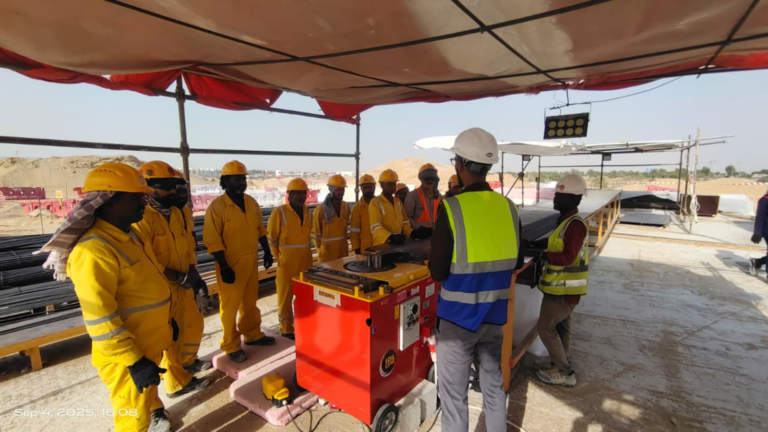
✓ Practical, hands-on training with actual fall protection equipment
✓ Small class sizes ensuring personalized attention and skills mastery
✓ Flexible delivery – classroom, blended learning, or on-site training
✓ Up-to-date content reflecting latest UAE regulations and best practices
✓ Job-ready graduates equipped with both knowledge and practical skills
✓ Post-training support answering workplace implementation questions
✓ Competitive pricing with group discounts available
Training Facilities:
- Full range of fall protection equipment for hands-on practice
- Height simulation structures for realistic training
- Latest technology and training aids
- Comfortable, professional learning environment
Visit M2Y Safety Consultancy to view the complete working at heights training calendar and enroll today.
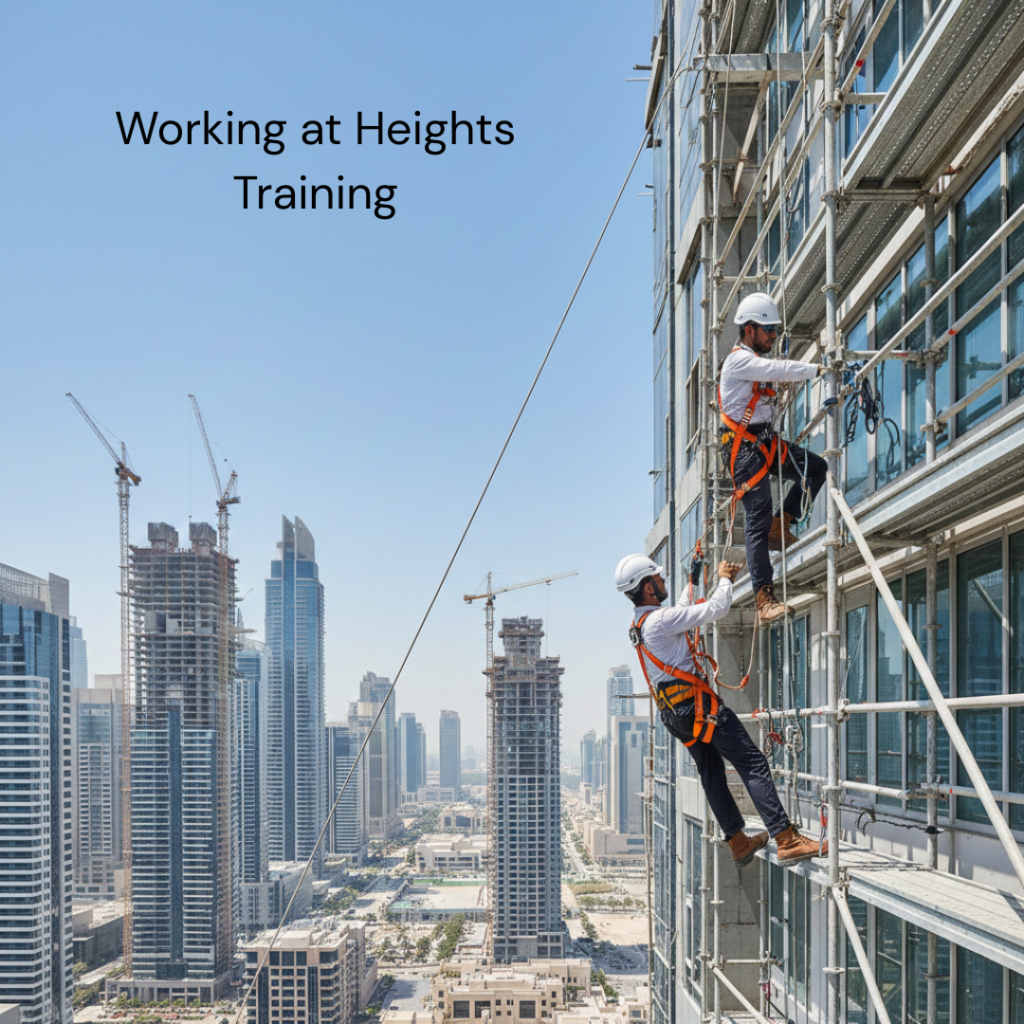
Fall Protection Equipment: Selection, Use, and Maintenance
Understanding fall protection equipment is critical for anyone working at heights.
Full-Body Harnesses
Why Full-Body (Not Belts):
- Distributes forces across body (shoulders, chest, legs, buttocks)
- Prevents internal injury and suspension trauma
- Keeps body upright after fall arrest
- Body belts (around waist only) are prohibited for fall arrest due to injury risk
Harness Components:
- Shoulder straps: Support upper body weight
- Leg straps: Prevent sliding out of harness
- Chest strap: Keeps shoulder straps in position
- Back D-ring: Primary attachment point for fall arrest
- Front D-ring: For work positioning or rescue (some models)
- Side D-rings: For work positioning and restraint (some models)
Proper Fit:
- Snug but not restrictive
- D-ring positioned between shoulder blades
- Leg straps positioned properly (not twisted)
- All buckles properly fastened
- Adjustment buckles secured
Inspection Before Each Use:
- Check all webbing for cuts, tears, abrasion, chemical damage, burn marks
- Inspect stitching for broken or pulled threads
- Examine hardware (D-rings, buckles) for cracks, deformation, corrosion
- Check labels are legible (contain inspection/manufacture dates)
- Ensure no previous impact loading (if harness arrested a fall, remove from service)
- Verify no modifications or repairs
When to Remove from Service:
- Any visible damage to webbing or hardware
- Missing labels or illegible inspection dates
- After arresting a fall (even if no visible damage)
- When manufacturer’s guidance indicates (typically 5-7 years from manufacture)
- If any doubt about condition
Lanyards and Energy Absorbers
Lanyard Types:
Single Leg Lanyards:
- One connection point
- Simplest design
- Limited mobility (must disconnect to move)
- Typical length: 1.8-2m
Double Leg (Y-Lanyard):
- Two connection points
- Allows continuous connection while moving
- One leg stays connected while repositioning other
- Preferred for frequent anchor point changes
Adjustable Lanyards:
- Length can be adjusted
- Useful for varying work heights
- Requires proper training (incorrect adjustment can allow excessive free fall)
Energy Absorbers:
- Purpose: Limit forces on body during fall arrest (maximum 6kN/600kg force)
- Types:
- Tear-webbing (sewn webbing tears progressively)
- Deforming tubes (metal tube deforms)
- Friction brakes (controlled slipping)
- Single-use: Must be replaced after arresting a fall
- Inspection: Check for deployment, damage, or exposure to conditions that might affect performance
Connectors (Karabiners/Snap Hooks):
- Must be compatible with anchor points and harness D-rings
- Locking mechanisms (screwgate, twist-lock, auto-lock)
- Never load across gate (side loading)
- Minimum strength requirements (22kN major axis)
Self-Retracting Lifelines (SRLs)
How They Work:
- Retractable line (3-30m) allows free movement
- Inertial braking system activates during fall
- Arrests fall within centimeters (minimal free fall)
- Automatically locks and retracts after arrest
Advantages:
- Greatest mobility and freedom
- Minimal free fall distance
- Less chance of swing falls (shorter connection)
- More comfortable for workers
Types:
- Personal SRLs: 3-6m, connected to overhead anchor
- Leading edge SRLs: Designed to handle sharp edges
- Rescue SRLs: Include descent mechanism for rescue
Inspection and Maintenance:
- More complex than lanyards
- Requires periodic servicing by competent person (typically annually)
- Daily visual inspection by user
- Housed components inspected regularly
- Must be replaced after arresting a fall
Anchor Points
Requirements:
- Minimum strength: 22kN (2,200kg) per person
- Positioned to minimize fall distance and prevent swing falls
- Accessible and readily identified
- Inspected and certified by competent person
Types:
Permanent Anchors:
- Structural steel members (certified capacity)
- Concrete anchors (tested and certified)
- Roof anchor systems (installed per manufacturer specs)
- Anchor beams and I-beams
Temporary Anchors:
- Beam clamps
- Wrap-around anchors (slings around suitable structural members)
- Mobile anchor devices (weighted or counterweighted systems)
- Parapet clamps
Horizontal Lifeline Systems:
- Cable or rail systems between two anchor points
- Allow horizontal movement along entire length
- Must account for sag and increased forces during fall arrest
- Require professional design and installation
Critical Considerations:
- Position anchor point above work area (minimize free fall)
- Ensure adequate clearance below (account for total fall distance)
- Avoid anchor points creating swing fall potential
- Never assume a point is suitable without verification
- Check compatibility with connecting devices
Equipment Storage and Maintenance
Storage:
- Clean, dry location away from direct sunlight
- Avoid extreme temperatures
- Away from chemicals, oils, solvents
- Not compressed or folded sharply
- In designated storage area (not thrown in vehicle or on ground)
Cleaning:
- Mild soap and water only
- Air dry completely before storage
- Never use harsh chemicals or solvents
- Never machine wash or dry
Record Keeping:
- Equipment register listing all fall protection equipment
- Inspection records (who inspected, when, findings)
- Maintenance records (servicing, repairs)
- Retirement records (equipment removed from service)
Competent Person Inspections:
- Detailed inspection by trained inspector
- Typically required annually (or per manufacturer guidance)
- Documentation of inspection
- Equipment tagged indicating next inspection due date
Safe Systems of Work: Planning and Implementation
Effective working at heights safety requires systematic planning and implementation.
Risk Assessment for Work at Height
Five-Step Process:
Step 1: Identify the Hazards
- What work at height is required?
- What are the fall risks?
- What are the falling object risks?
- Are there fragile surfaces?
- What environmental hazards exist?
Step 2: Identify Who Might Be Harmed
- Workers performing the task
- Other workers in the area
- Supervisors and visitors
- Public (if work near public areas)
Step 3: Evaluate the Risks and Implement Controls
- Apply hierarchy of controls
- Can work at height be eliminated?
- If not, what collective protection can be used?
- If neither, what personal fall protection is required?
- What additional controls are needed?
Step 4: Record Findings
- Document hazards identified
- Record control measures selected
- Create method statement
- Communicate to workers
Step 5: Review and Update
- Before each job (conditions may have changed)
- After any incident or near-miss
- When new information available
- Periodically (at least annually)
Method Statements and Permits
Method Statement Components:
- Task description
- Location and duration
- Personnel involved (names, roles, qualifications)
- Sequence of work steps
- Hazards at each step
- Control measures for each hazard
- Equipment required
- PPE required
- Emergency procedures
- Approval signatures
Permit-to-Work Requirements:
- Risk assessment reference
- Confirmation of isolation (if relevant)
- Weather conditions acceptable
- Equipment inspected and serviceable
- Personnel competent and trained
- Emergency procedures in place
- Rescue equipment available
- Valid for specified time/shift only
- Requires reauthorization if conditions change
Emergency Rescue Planning
Why Rescue Planning is Critical:
- Suspension trauma can be fatal within 15-30 minutes
- Emergency services may not reach elevated locations quickly
- Standard rescue methods may not work at height
- Specialized equipment and training required
Rescue Plan Components:
1. Emergency Communication:
- How will alarm be raised?
- Who will be notified?
- What information will be provided?
- Backup communication methods
2. Rescue Equipment:
- Descent/retrieval devices
- Additional anchor points for rescuers
- First aid equipment
- Communication devices
3. Rescue Personnel:
- Who is trained and authorized to perform rescue?
- How will they access the casualty?
- What method will be used for descent/retrieval?
- Medical support procedures
4. Practice Drills:
- Regular rescue drills (at least annually)
- Test equipment and procedures
- Identify gaps or problems
- Ensure rescuers maintain competence
Suspension Trauma:
- Blood pools in legs of suspended person
- Can lead to unconsciousness and death
- Requires immediate rescue (within minutes)
- Post-rescue positioning critical (gradual return to horizontal position)
- Immediate medical attention required
Industry-Specific Working at Heights Applications in UAE
Different UAE industries face unique working at heights challenges.
Construction Industry
Common Height Work:
- Scaffold platforms for building construction
- Formwork and concrete pouring at elevation
- Steel erection for structural frames
- Curtain wall and façade installation
- Roofing work
- Tower crane operation and maintenance
Specific Challenges:
- Constantly changing work environment
- Multiple trades working at different levels
- Weather exposure (extreme heat in UAE)
- Fast-paced schedules creating pressure
- Temporary nature of protection systems
Best Practices:
- Scaffold inspections every 7 days and after weather events
- Edge protection before work begins at elevation
- Debris netting preventing falling objects
- Designated access routes
- Toolbox talks addressing daily hazards
Oil and Gas Sector
Common Height Work:
- Offshore platform access and work
- Tank and vessel entry/maintenance
- Flare stack access
- Pipe rack work
- Drilling rig operations
Specific Challenges:
- Remote locations complicating rescue
- Additional hazards (confined spaces, hydrocarbons, H₂S)
- Offshore weather conditions (wind, vessel motion)
- Helicopter access requirements
- Simultaneous operations (multiple activities)
Best Practices:
- ADNOC-approved training mandatory
- Comprehensive rescue capabilities on-site
- Medical support immediately available
- Strict permit-to-work systems
- Regular emergency drills
Telecommunications
Common Height Work:
- Cell tower climbing and maintenance
- Antenna installation and adjustment
- Cable routing and termination
- Equipment installation on towers
Specific Challenges:
- Very high elevations (30-80m typical)
- Exposure to radio frequency (RF) radiation
- Weather exposure
- Remote locations
- Ladder climbing for extended distances
Best Practices:
- Certified tower climbers only
- Climb assist systems (cable ladders)
- RF awareness and power-down procedures
- Emergency descent systems
- Weather monitoring (wind speed limits)
Facilities Maintenance
Common Height Work:
- HVAC maintenance on rooftops
- Window cleaning (high-rise buildings)
- Lighting maintenance and replacement
- Painting and repairs
- Signage installation and maintenance
Specific Challenges:
- Variety of building types and designs
- Limited anchor points
- Aesthetic considerations (no permanent installations)
- Working around occupied buildings
- Frequent short-duration tasks
Best Practices:
- Building-specific risk assessments
- Portable fall protection systems
- Window cleaning certification (specific training)
- Coordination with building occupants
- Emergency procedures communicated to building management
UAE Regulations and Compliance
Understanding regulatory requirements ensures legal compliance.
Federal Requirements
UAE Federal Law No. 8 of 1980 (Labor Law):
- Article 91: Employer must take necessary precautions to protect workers from occupational hazards
- Article 92: Employer must provide necessary protective equipment
- Penalties for non-compliance: Fines, work stoppages, criminal prosecution
Ministerial Resolution No. 32 of 1982:
- Specific requirements for construction site safety
- Provisions for working at heights protection
- Scaffold standards and requirements
- Inspection and maintenance requirements
Emirate-Specific Regulations
OSHAD (Abu Dhabi):
- Element 8 (Risk Assessment and Management) requires height work risk assessment
- Element 14 (Emergency Preparedness) requires rescue planning
- Element 16 (Physical Hazards) addresses fall protection
- Regular audits enforcing compliance
- Penalties for non-compliance
Dubai Municipality:
- Construction safety regulations mandate working at heights certification
- Scaffold registration and inspection requirements
- Regular site inspections
- Violation notices and fines for non-compliance
- Work stoppage authority for serious violations
Other Emirates:
- Similar requirements based on Dubai or Abu Dhabi frameworks
- Local municipality enforcement
- Increasing standardization across UAE
Employer Responsibilities
UAE employers must:
- Conduct risk assessments for all work at height
- Provide appropriate fall protection equipment
- Ensure equipment is properly maintained and inspected
- Provide working at heights training and certification
- Implement safe systems of work (permits, method statements)
- Ensure competent supervision
- Have emergency rescue procedures and equipment
- Maintain records (training, inspections, incidents)
- Provide medical surveillance where appropriate
Worker Responsibilities
Workers must:
- Attend and complete required training
- Use provided fall protection equipment correctly
- Conduct pre-use equipment inspections
- Follow safe systems of work
- Report defects or hazards immediately
- Not work at height if unfit (illness, fatigue, impairment)
- Participate in emergency drills
- Cooperate with safety inspections and audits
Frequently Asked Questions (FAQs)
Working at heights is defined as any work activity where a person could fall a distance liable to cause personal injury, typically from a height of 2 meters or above, or near unprotected edges, openings, or fragile surfaces regardless of height. In the UAE, working at heights certification is mandatory for all workers who perform tasks at elevation, including construction workers, maintenance personnel, telecom installers, window cleaners, and anyone using ladders, scaffolds, or fall protection equipment professionally. Certification is required by UAE Federal Labor Law, OSHAD Framework (Abu Dhabi), and Dubai Municipality regulations. Employers must ensure all workers involved in height work complete an approved working at heights course (typically 1-2 days duration) and maintain current certification (usually valid 2-3 years). This requirement applies across all sectors including construction, oil & gas, facilities maintenance, telecommunications, and industrial operations. M2Y Safety Consultancy provides ADNOC-approved working at heights training meeting all UAE regulatory requirements.
The primary hazards when working at heights include: (1) Falling from height - prevented through guardrail systems, properly erected scaffolds, fall arrest equipment, and competent supervision; (2) Falling objects - controlled with toe boards, debris netting, tool lanyards, exclusion zones, and proper housekeeping; (3) Fragile surfaces - addressed by identifying all fragile materials, using crawling boards or roof ladders, installing covers, and implementing fall arrest systems; (4) Equipment failure - prevented through pre-use inspections, proper maintenance, equipment certification, and replacing equipment after impact; (5) Environmental hazards - managed by monitoring weather conditions (wind speed limits), providing adequate lighting, scheduling work during favorable conditions, and implementing heat stress controls (critical in UAE); (6) Human factors - reduced through proper training, adequate rest breaks, fitness-for-work assessments, and safety culture promoting speaking up about concerns. Prevention follows the hierarchy of controls: first eliminate height work if possible, then implement collective protection (guardrails, safety nets), followed by personal fall protection (harnesses and anchor systems), and finally administrative controls (permits, procedures, training). Comprehensive risk assessment before work begins identifies specific hazards and determines appropriate control measures.
Essential working at heights equipment includes: (1) Full-body harness - distributes fall arrest forces safely across the body (never use waist belts for fall arrest); (2) Lanyards with energy absorbers - connect harness to anchor points while limiting forces during fall arrest to safe levels (maximum 6kN); (3) Anchor points - certified attachment points capable of supporting minimum 22kN (2,200kg) per person; (4) Connectors - locking karabiners or snap hooks connecting system components; (5) Self-retracting lifelines (SRLs) - providing mobility while minimizing free fall distance; (6) Guardrail systems - collective protection preventing falls (preferred when possible). Equipment safety is verified through: Daily pre-use visual inspection by the user checking for cuts, tears, damage, deformation, or missing labels; Periodic detailed inspection by competent person (typically annually) with documentation; Following manufacturer guidelines for use, storage, and maintenance; Immediate removal from service after arresting a fall or if any damage/doubt exists; Proper storage in clean, dry conditions away from chemicals and UV exposure; Training in correct equipment selection, use, and inspection procedures. All equipment must meet relevant standards (EN, ANSI, or equivalent) and be appropriate for the specific application. M2Y Safety Consultancy provides comprehensive training in equipment selection, inspection, and proper use.
Working at heights courses can be partially completed online, but cannot be entirely online due to the essential practical skills component. A blended learning approach is most effective and widely accepted: Online theoretical modules covering regulations, hazards, risk assessment, equipment types, and emergency procedures (typically 6-8 hours self-paced); followed by in-person practical training (1 day) including hands-on equipment inspection, harness fitting, anchor point selection, practical exercises with fall arrest systems, and rescue procedures demonstration. This blended approach is recognized in the UAE when the practical component is delivered by an approved training provider and includes proper skills assessment. Purely online courses without practical assessment generally do not meet UAE regulatory requirements because working at heights involves physical skills that must be demonstrated and assessed in person - proper harness fitting, equipment inspection, connecting to anchor points, and safe working techniques cannot be adequately verified remotely. Major UAE employers, ADNOC, and regulatory authorities require certificates from approved training providers that include verified practical competence. M2Y Safety Consultancy offers ADNOC-approved blended learning combining online theory convenience with essential hands-on practical training, providing certificates meeting all UAE compliance requirements while minimizing time away from work.
Working at heights certification in the UAE is typically valid for 2-3 years from the date of issue, though validity periods can vary by certification type, employer requirements, and specific industry regulations. ADNOC-approved certifications are generally valid for 2 years, while some employer-specific programs require annual renewal. Before certification expires, workers must complete refresher training to renew their qualification and maintain authorization to work at heights. Refresher courses (typically 1 day, 6-8 hours) review key concepts, update participants on regulatory changes and new best practices, refresh practical skills, and include reassessment to verify continued competence. Working with expired certification is a serious violation in the UAE - employers are legally prohibited from allowing workers with expired certifications to perform height work, regulatory inspections check certification validity with fines and work stoppages for violations, and insurance coverage may be voided if incidents occur while certifications are expired. Best practice is to schedule refresher training 1-2 months before expiration preventing gaps in authorization. Many employers implement tracking systems alerting supervisors when worker certifications are approaching expiry. M2Y Safety Consultancy offers convenient refresher courses with flexible scheduling, recognizing the importance of maintaining continuous certification without operational disruption. Maintaining current certification demonstrates professional commitment to safety and protects both worker rights and employer compliance.