Safety Vest
When Mohammad, a construction supervisor in Dubai, witnessed a near-miss accident on his site last year, he realized something crucial: his workers’ safety vests weren’t just compliance checkboxes—they were life-saving equipment. The incident happened during early morning hours when visibility was poor, and a delivery truck almost backed into a worker whose vest had faded from months of sun exposure.
This story isn’t unique. Every day across the UAE and globally, safety vests prevent countless accidents in construction zones, warehouses, roadways, and industrial facilities. Yet many workers and employers still don’t fully understand how to select, maintain, and use these critical pieces of personal protective equipment (PPE).
What Makes a Safety Vest Essential?
A safety vest, also known as a high-visibility vest or reflective vest, is a garment designed to make the wearer conspicuously visible in hazardous environments. These vests use fluorescent background materials and retroreflective strips to ensure workers are seen by vehicle operators, equipment handlers, and other personnel—potentially saving lives every single day.
The statistics tell a sobering story. According to the Occupational Safety and Health Administration (OSHA), being struck by vehicles or mobile equipment remains one of the leading causes of workplace fatalities. Proper high-visibility clothing can reduce these incidents by up to 80% when used correctly.
Understanding Safety Vest Standards and Classifications
Not all safety vests are created equal. International and regional standards define specific requirements based on risk levels and working conditions.
ANSI/ISEA 107 Standards (North America)
The American National Standards Institute classifies high-visibility apparel into three types:
Type O (Off-Road): Designed for workers in controlled environments with traffic speeds under 25 mph Type R (Roadway): For roadway workers exposed to traffic exceeding 25 mph
Type P (Public Safety): Specifically for emergency responders and law enforcement
EN ISO 20471 (Europe and International)
This standard categorizes vests into three classes based on visible material area:
| Class | Fluorescent Background | Retroreflective Material | Typical Use |
|---|---|---|---|
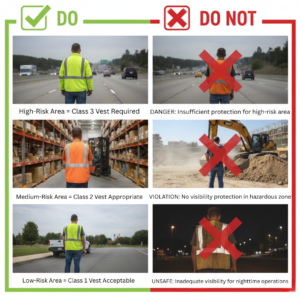
| Class 1 | 0.14 m² minimum | 0.10 m² minimum | Low-risk areas, private roads |
| Class 2 | 0.50 m² minimum | 0.13 m² minimum | Medium-risk, moderate traffic |
| Class 3 | 0.80 m² minimum | 0.20 m² minimum | High-risk, highways, night work |
UAE-Specific Requirements
In the UAE, safety regulations align closely with international standards, particularly EN ISO 20471. The UAE Ministry of Human Resources and Emiratisation requires employers to provide appropriate PPE, including high-visibility clothing, for workers in hazardous environments. Construction sites, oil and gas facilities, and logistics operations must comply with these mandates.
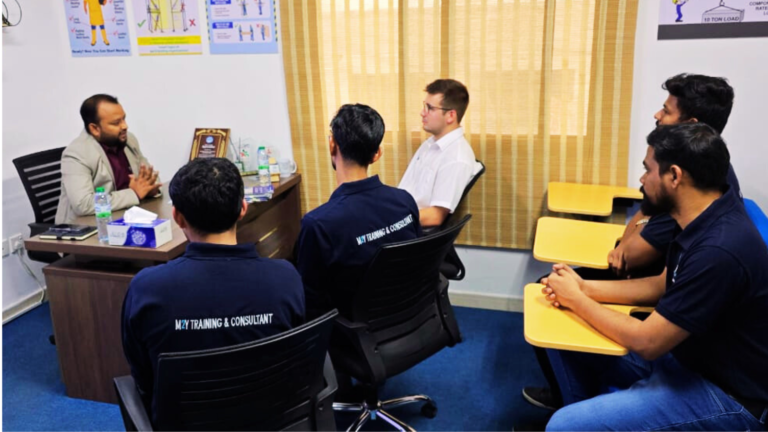
At M2Y Safety Consultancy, we’ve trained thousands of workers across the Emirates on proper safety vest selection and usage, ensuring compliance with both local and international standards.
Types of Safety Vests: Choosing the Right Protection
1. Mesh Safety Vests
Perfect for UAE’s hot climate, mesh vests offer breathability without compromising visibility. They’re lightweight and allow air circulation, making them ideal for:
- Construction sites during summer months
- Outdoor warehousing operations
- Event management and crowd control
2. Solid Fabric Safety Vests
These provide more durability and are suited for:
- Industrial environments with potential snag hazards
- Cooler indoor facilities
- Areas requiring additional barrier protection
3. Flame-Resistant Safety Vests
Essential for high-risk industries including:
- Oil and gas operations
- Welding facilities
- Chemical plants
- Refineries throughout the Gulf region
4. LED Safety Vests
Incorporating battery-powered LED lights, these cutting-edge vests offer:
- Enhanced visibility during nighttime operations
- Active illumination in low-light conditions
- Extended visibility range up to 1 kilometer
How to Select the Right Safety Vest: A Practical Guide
Choosing appropriate high-visibility clothing isn’t guesswork—it’s a calculated decision based on specific risk factors.
Consider These Factors:
- Traffic speed and volume in your work area
- Weather conditions and lighting (day, dusk, night operations)
- Distance between workers and moving vehicles/equipment
- Background environment (urban, rural, construction)
- Temperature and climate considerations for worker comfort
- Job tasks that may affect vest visibility or durability
For UAE conditions specifically, we recommend Class 2 or Class 3 vests for most construction and roadway applications, with breathable mesh materials to combat extreme heat.
Proper Usage and Maintenance: Making Your Safety Vest Effective
Purchasing the right vest is only half the battle. Proper usage and maintenance ensure continued protection.
Daily Inspection Checklist
Before each shift, workers should verify:
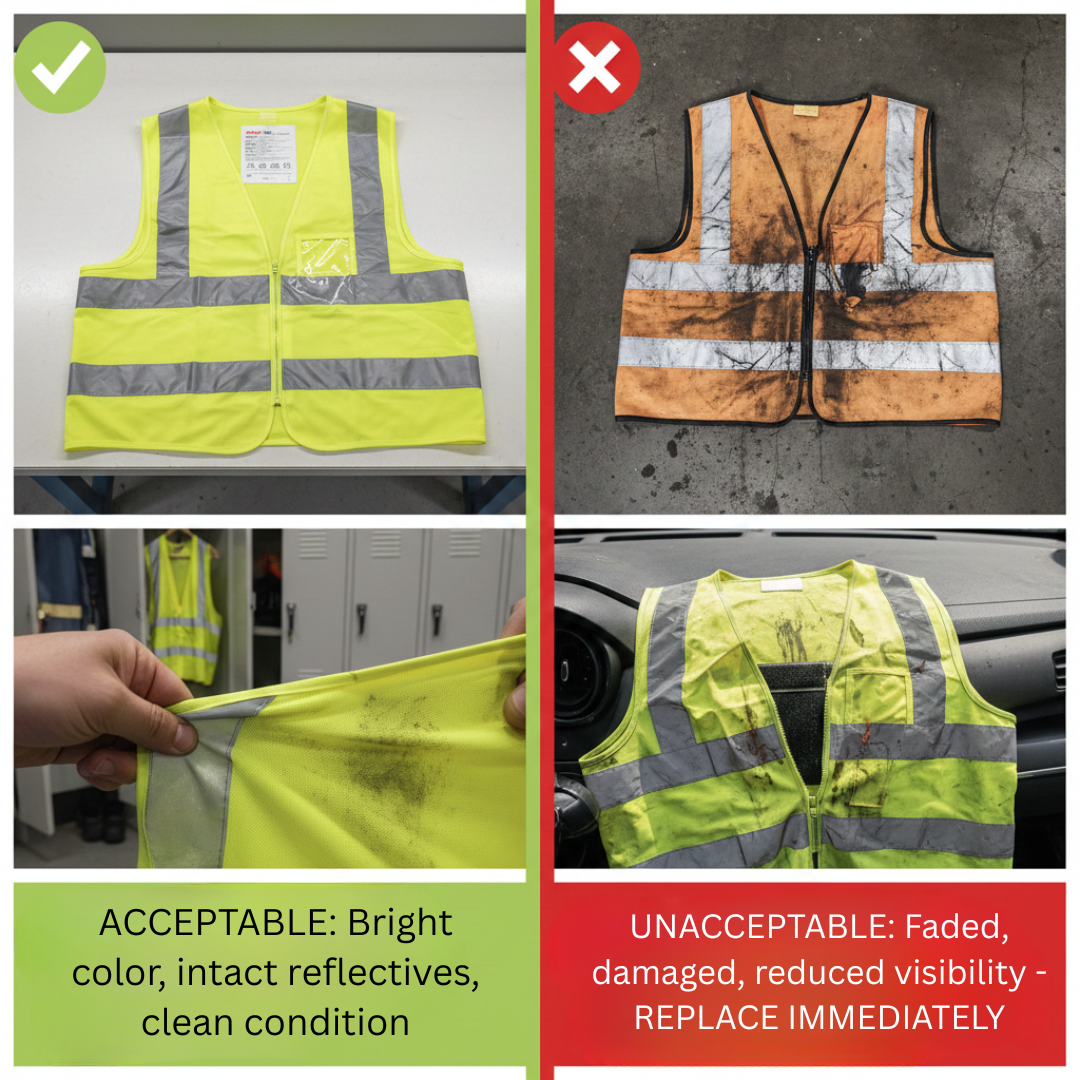
- Reflective strips are intact with no peeling or damage
- Fluorescent material maintains brightness (not faded or discolored)
- Closures function properly (zippers, velcro, snaps)
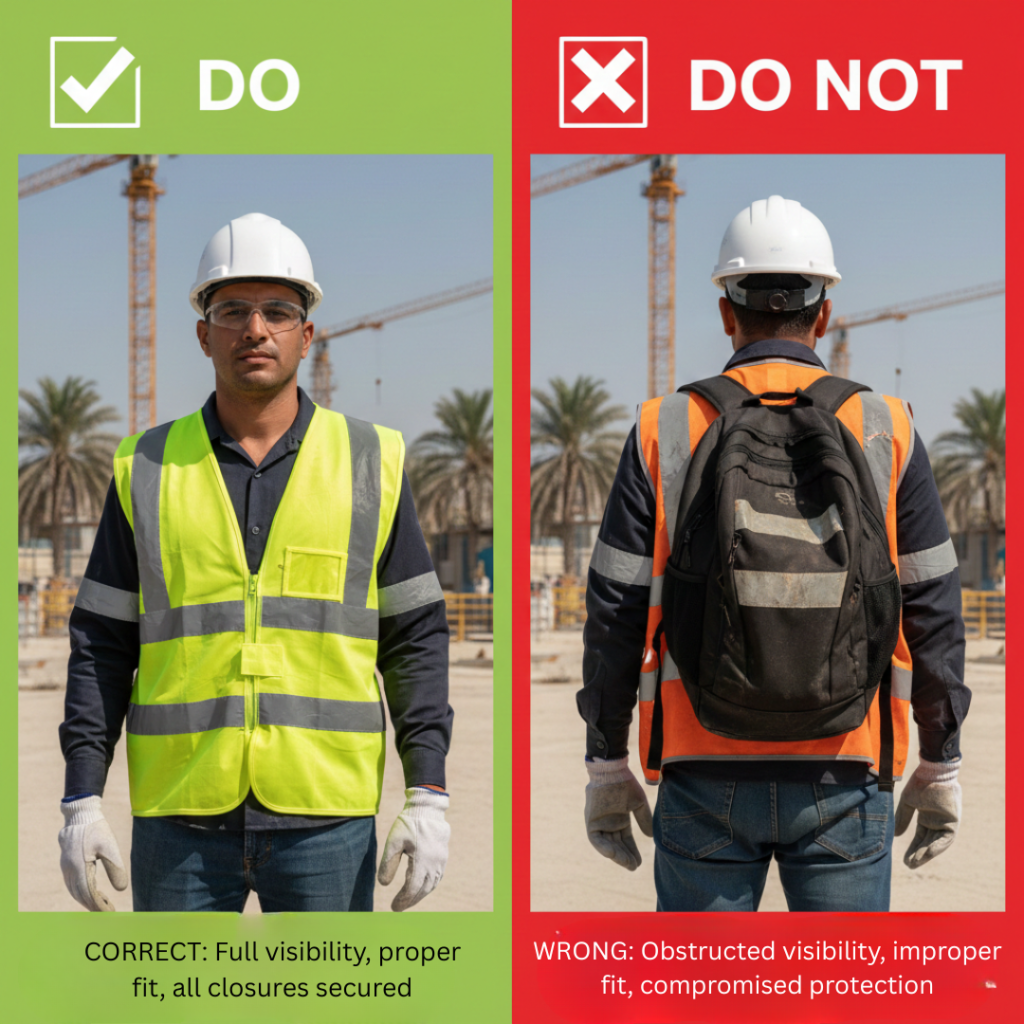
- Vest fits correctly over all work clothing layers
- No tears, rips, or contamination that reduce visibility
Cleaning and Care Guidelines
DO:
- Wash according to manufacturer instructions
- Use mild detergent and cool water
- Air dry or use low heat settings
- Store in clean, dry locations away from direct sunlight
- Replace vests showing signs of wear every 6-12 months
DON’T:
- Use bleach or harsh chemicals that damage reflective properties
- Iron directly on reflective strips
- Store in areas exposed to chemicals or extreme temperatures
- Continue using compromised vests
A faded or damaged safety vest provides false security—it may look functional but fails when visibility matters most.
Industry-Specific Applications in the UAE
Construction and Building Sites
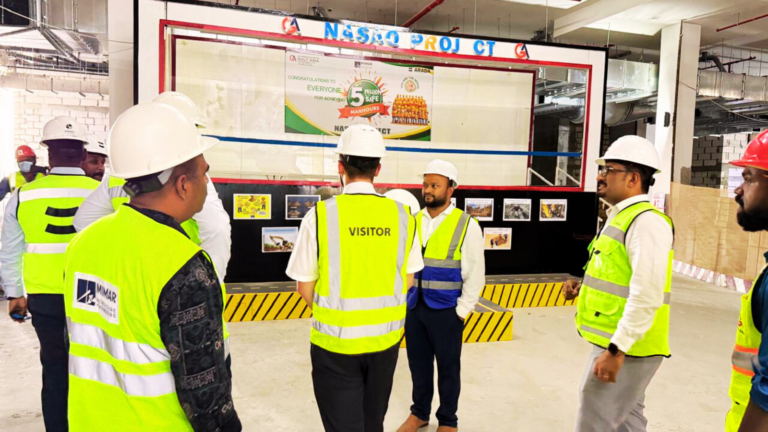
Dubai’s skyline continues evolving, with massive construction projects underway. Workers navigating active sites near heavy machinery, cranes, and delivery vehicles require Class 3 protection with 360-degree visibility.
Oil and Gas Operations
The UAE’s energy sector demands specialized flame-resistant high-visibility gear. Workers in refineries, processing plants, and offshore platforms need vests meeting both visibility and fire safety standards.
Logistics and Warehousing
Dubai’s position as a global logistics hub means thousands of warehouse workers interact daily with forklifts and automated equipment. Class 2 vests provide adequate protection in these controlled but busy environments.
Emergency Services and First Responders
Police, ambulance crews, and civil defense personnel require Type P or Class 3 garments allowing quick identification during emergency operations, often in challenging conditions.
Events and Crowd Management
From Dubai Shopping Festival to Abu Dhabi Grand Prix, event staff managing large crowds need visible identification while maintaining professional appearance.
Training and Compliance: The M2Y Safety Consultancy Approach
Understanding safety vests extends beyond simply wearing them. Comprehensive training programs ensure workers and supervisors recognize when, why, and how to use high-visibility clothing effectively.
Our safety vest training covers:
- Risk assessment and appropriate vest selection
- Regulatory compliance (UAE labor law, OSHA, ISO standards)
- Proper fitting and adjustment techniques
- Inspection and maintenance procedures
- Recognition of compromised equipment
- Documentation and record-keeping requirements
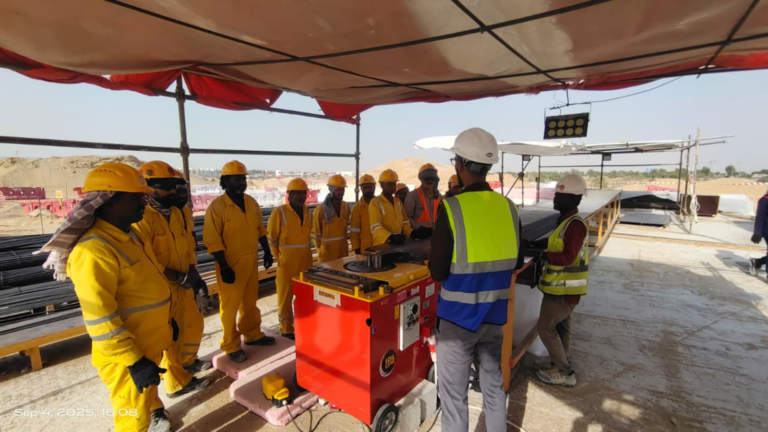
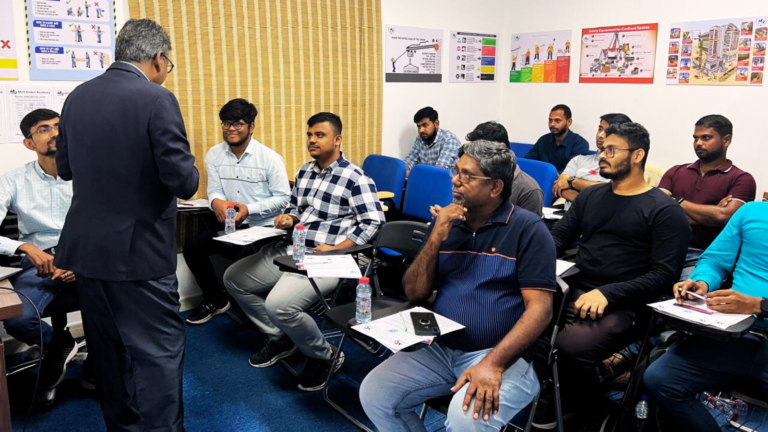
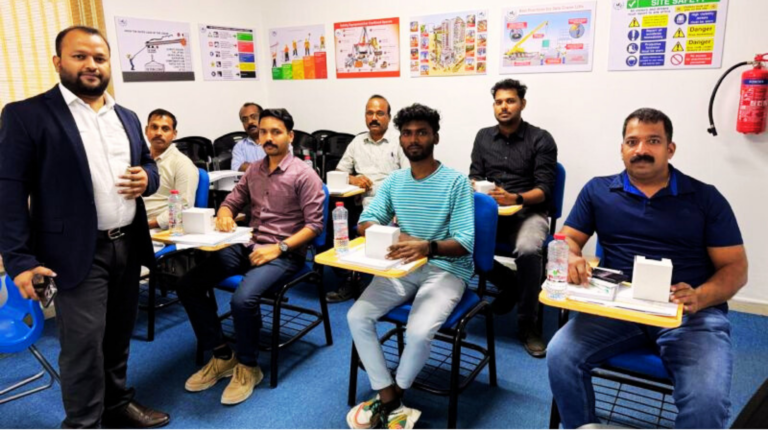
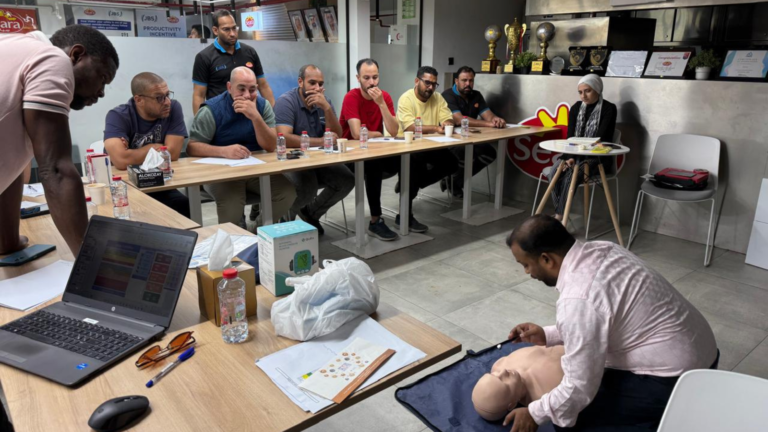
M2Y Safety Consultancy has developed industry-specific training modules tailored to UAE workplace environments. Our programs combine classroom instruction with practical, hands-on demonstrations—because reading about safety and practicing safety are vastly different experiences.
Visit M2Y Safety Consultancy to learn more about our comprehensive safety training solutions designed for organizations throughout the Emirates.
Common Mistakes That Compromise Safety Vest Effectiveness
Through years of conducting safety audits across the UAE, we’ve identified recurring errors that reduce protective effectiveness:
Wearing damaged or faded vests: UV exposure from the Middle Eastern sun degrades fluorescent materials rapidly. Replace vests showing noticeable fading.
Covering reflective strips: Backpacks, tool belts, or jackets worn over vests block reflective material, defeating their purpose.
Selecting inadequate class ratings: Using Class 1 vests in high-traffic areas provides insufficient protection for the risk level.
Ignoring fit: Vests too large may snag on equipment; vests too small won’t provide adequate coverage and worker comfort.
Neglecting nighttime requirements: Daytime visibility doesn’t guarantee nighttime protection. Night operations require enhanced reflective properties and potentially LED-equipped vests.
The Business Case: Why Investing in Quality Safety Vests Matters
Some organizations view safety equipment as a cost center, but the return on investment becomes clear when considering:
Direct Financial Impact:
- Reduced workplace accidents and associated costs
- Lower insurance premiums through improved safety records
- Decreased downtime and productivity loss
- Minimized legal liability and potential fines
Indirect Benefits:
- Enhanced company reputation and brand value
- Improved employee morale and retention
- Better client confidence and competitive advantage
- Regulatory compliance avoiding work stoppages
Quality safety vests from reputable suppliers, combined with proper training from organizations like M2Y Safety Consultancy, create measurable value that far exceeds the initial investment.
Future Trends in High-Visibility Safety Equipment
The safety industry continuously evolves with technological advancement:
Smart Safety Vests: Incorporating GPS tracking, biometric monitoring, and emergency alert systems to provide real-time worker safety data.
Advanced Materials: New fabric technologies offering superior durability, enhanced visibility, and improved comfort in extreme temperatures.
Customization Options: Digital printing allowing company branding while maintaining safety standards and professional appearance.
Sustainable Manufacturing: Eco-friendly materials and production processes responding to environmental responsibility demands.
Integration with IoT Systems: Connected safety equipment communicating with site management systems for comprehensive safety oversight.
Frequently Asked Questions (FAQs)
Safety vests should be replaced every 6-12 months under normal use, or immediately if they show signs of damage, fading, or compromised reflectivity. In the harsh UAE climate with intense sun exposure, more frequent replacement (every 4-6 months) may be necessary for outdoor workers. Regular inspections help determine replacement timing.
Yes, UAE labor law requires employers to provide appropriate PPE, including high-visibility clothing, for workers in hazardous environments. Construction sites, roadway work, and industrial facilities must comply with these regulations. Non-compliance can result in fines, work stoppages, and legal liability in case of accidents.
Class 3 vests provide more visible material area (minimum 0.80 m² fluorescent background and 0.20 m² reflective) compared to Class 2 (0.50 m² and 0.13 m² respectively). Class 3 offers 360-degree visibility and is required for high-risk environments like highways, night work, and areas with vehicle speeds exceeding 50 km/h.
Yes, most safety vests are machine washable, but always follow the manufacturer's care instructions. Use mild detergent, cold or warm water, and gentle cycles. Avoid bleach, fabric softeners, and high heat drying, as these can damage reflective properties. Air drying is typically safest for maintaining vest integrity.
Both fluorescent yellow-green and fluorescent orange-red meet safety standards, though studies suggest yellow-green provides slightly better daytime visibility. Orange is often preferred in environments where workers may encounter traffic already expecting yellow (like road work). The UAE doesn't mandate specific colors, but consistency within a worksite helps with identification.
M2Y Safety Consultancy offers comprehensive safety vest and PPE training programs throughout the UAE. Our courses cover selection, usage, maintenance, and compliance with local and international standards. Training can be conducted at our facilities or on-site at your workplace. Visit https://m2ysafety.com/ or contact us directly to schedule training for your organization.
Taking Action: Next Steps for Workplace Safety
Safety vests represent a simple yet powerful tool in accident prevention. Whether you’re a safety manager overseeing a construction project in Dubai, a warehouse supervisor in Abu Dhabi, or a business owner ensuring regulatory compliance, the right approach to high-visibility clothing makes a measurable difference.
Immediate Actions You Can Take:
- Audit your current safety vest inventory for damage, fading, or incorrect classifications
- Review your workplace risk assessment to ensure vest types match actual hazards
- Establish replacement schedules based on usage intensity and environmental conditions
- Implement inspection procedures making vest checks part of daily safety protocols
- Invest in training through qualified organizations like M2Y Safety Consultancy
Remember Mohammad, the supervisor we mentioned at the beginning? After his near-miss incident, he partnered with M2Y Safety Consultancy to overhaul his site’s safety vest program. Six months later, his team had zero visibility-related incidents, worker satisfaction increased, and his company avoided costly accidents and regulatory violations.
Your workers depend on you to provide not just any safety vest, but the right safety vest with proper training and maintenance support. Don’t wait for a close call to take action.
Ready to elevate your workplace safety standards? Contact M2Y Safety Consultancy today to schedule a consultation or enroll in our comprehensive safety training programs. Our team of certified safety professionals brings decades of combined experience helping UAE organizations create safer, more compliant work environments.