NEBOSH HSE Introduction to Incident Investigation (INV)
From Accidents to Answers: Master Incident Investigation
When incidents happen, most organizations ask “Who’s to blame?” Wrong question. The right question is “Why did our systems fail?” NEBOSH HSE Introduction to Incident Investigation teaches you to find real root causes and prevent recurrence.
What is NEBOSH INV?
A specialized one-day qualification teaching systematic incident investigation methodology. Developed with UK HSE to promote learning over blame.
Course Essentials
- Duration: 1 day intensive
- Assessment: 45-minute multiple choice exam
- Pass Mark: 20 out of 30 questions
- Launched: 2025 (NEBOSH’s newest qualification)
- Focus: Practical investigation skills
Course Syllabus
Session 1: Investigation Fundamentals
- Why investigate incidents
- Legal and business reasons for investigation
- Types of incidents requiring investigation
- Barriers to effective investigation
- Immediate vs. underlying causes
- Human factors and system failures
Session 2: Investigation Process
- Securing the scene
- Gathering evidence (physical, documentary, witness)
- Interviewing techniques
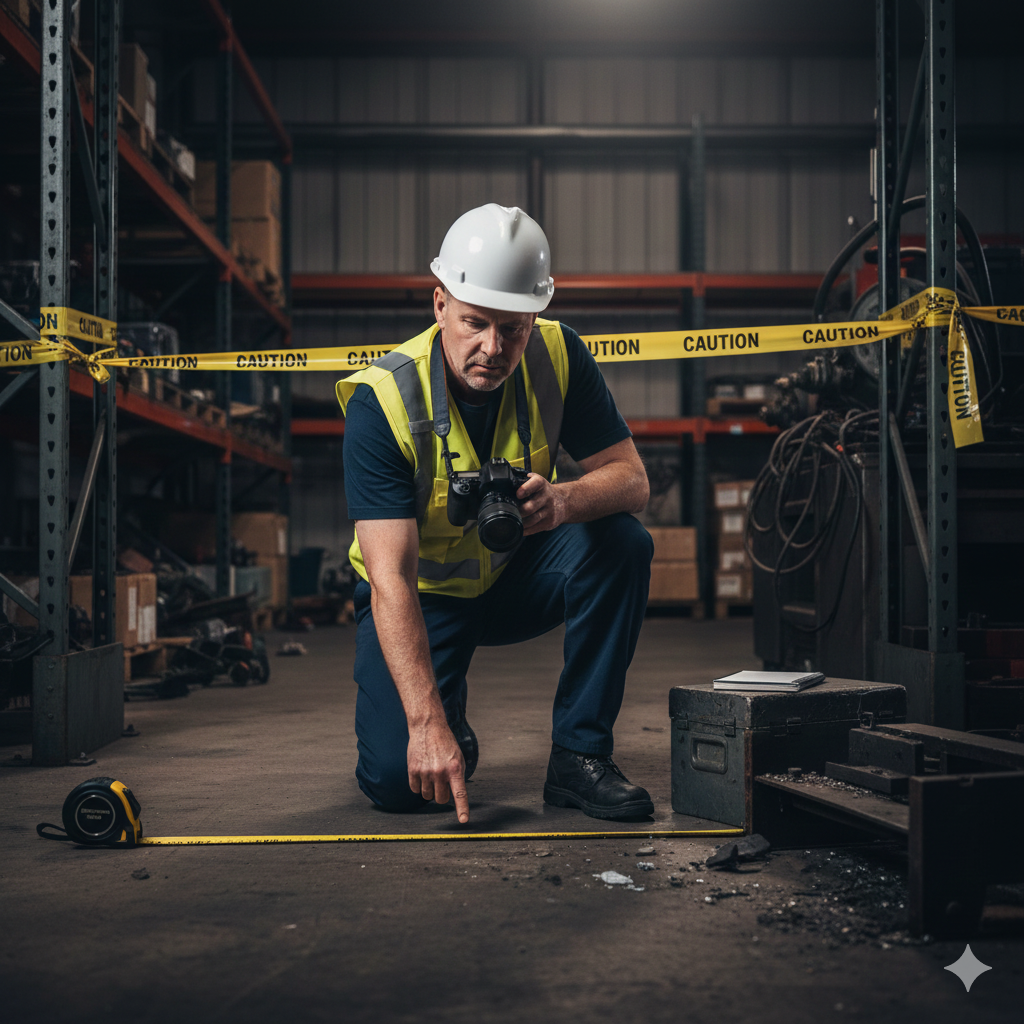
- Photography and measurement
- Timeline reconstruction
- Evidence preservation
Session 3: Analysis Techniques
- Root cause analysis methods
- 5 Whys technique
- Fishbone (Ishikawa) diagrams
- STAMP analysis introduction
- Human factors analysis (HFACS)
- System vs. individual failure distinction
Session 4: Reporting & Recommendations
- Investigation report structure
- Writing effective recommendations
- SMART action planning
- Communicating findings
- Implementing lessons learned
- Monitoring corrective actions
Course Fees
M2Y Safety Fee: ₹22,000
| Currency | Course Fee |
|---|---|
| UAE Dirham (AED) | 902 AED |
| US Dollar (USD) | 264 USD |
| Singapore Dollar (SGD) | 315 SGD |
| Malaysian Ringgit (MYR) | 1,100 MYR |
| British Pound (GBP) | 207 GBP |
Who Should Take This Course?
✅ Safety officers conducting investigations
✅ Supervisors responding to team incidents
✅ Managers involved in incident review
✅ HR professionals handling workplace incidents
✅ Engineers investigating equipment failures
✅ Compliance officers
✅ Anyone on incident investigation teams

Practical Skills You'll Gain
Evidence Collection:
- Photographing incident scenes professionally
- Measuring and documenting physical evidence
- Preserving evidence integrity
- Creating accurate sketches
Interviewing:
- Putting witnesses at ease
- Asking open-ended questions
- Avoiding leading questions
- Recording testimony accurately
- Recognizing bias
Analysis:
- Identifying immediate and root causes
- Distinguishing symptoms from causes
- Recognizing organizational factors
- Applying analysis tools appropriately
Reporting:
- Writing clear, factual reports
- Developing actionable recommendations
- Prioritizing corrective actions
- Presenting findings to management
Why Investigation Training Matters
Prevent Recurrence: 70% of incidents are repeats of previous events. Proper investigation breaks this cycle.
Legal Protection: Demonstrating systematic investigation shows due diligence if legal issues arise.
Cost Savings: Preventing one serious incident typically saves 10-100x the investigation cost.
Improved Culture: Blame-free investigation builds trust and encourages hazard reporting.
Continuous Improvement: Learning from incidents drives system enhancements.
Real Investigation Case Studies
During the course, you’ll analyze actual incidents:
- Construction fall fatality root cause
- Chemical exposure in manufacturing
- Near-miss forklift collision
- Confined space rescue
- Equipment failure in oil & gas
FAQs
No. Anyone who might investigate incidents benefits – supervisors, managers, engineers, HR.
No prerequisites. The course teaches from fundamentals.
Yes! Practical training on 5 Whys, fishbone, and other analysis methods with templates provided.
Absolutely. Proper investigation identifies systemic issues, allowing fundamental improvements rather than band-aid solutions.