HSE Officer
Introduction: The Safety Guardian Every Workplace Needs
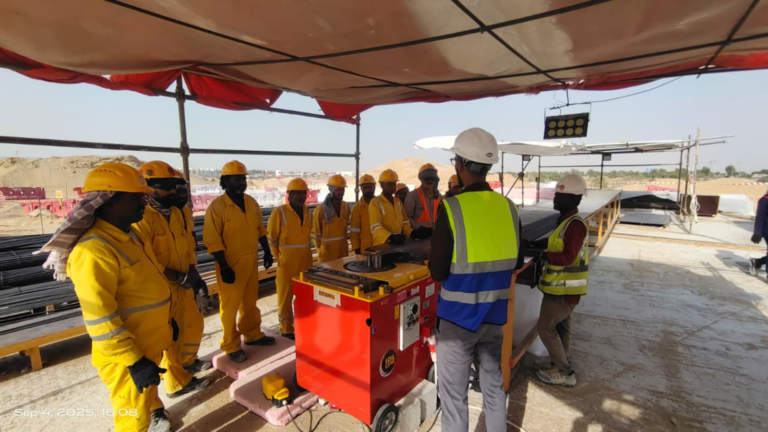
Picture this: A construction site in Dubai’s scorching heat, hundreds of workers operating heavy machinery, electrical systems humming with potential danger. Who ensures everyone goes home safe at the end of the day?
That’s where the HSE Officer steps in.
If you’re reading this, you’re probably exploring a career path that combines technical expertise with genuine care for people’s wellbeing. Maybe you’ve seen job postings for HSE officer positions across the UAE and wondered if this is your calling. Or perhaps you’re already in the field and want to sharpen your skills.
Here’s the truth: HSE (Health, Safety, and Environment) Officers aren’t just box-tickers or policy enforcers. They’re problem-solvers, educators, and literally lifesavers. The profession is experiencing tremendous growth—especially in the UAE, where massive infrastructure projects and strict regulatory frameworks create constant demand for qualified safety professionals.
This comprehensive guide draws from real-world industry experience, regulatory frameworks, and current market trends to help you understand everything about becoming and thriving as an HSE Officer.

What Is an HSE Officer? Understanding the Role
An HSE Officer (Health, Safety, and Environment Officer) is a professional responsible for developing, implementing, and monitoring workplace safety programs. They ensure organizations comply with local regulations, international standards, and industry best practices to protect workers, assets, and the environment.
Think of them as the bridge between regulatory requirements and practical, on-ground safety implementation.
Core Responsibilities of an HSE Officer
The day-to-day work varies by industry, but these responsibilities remain consistent:
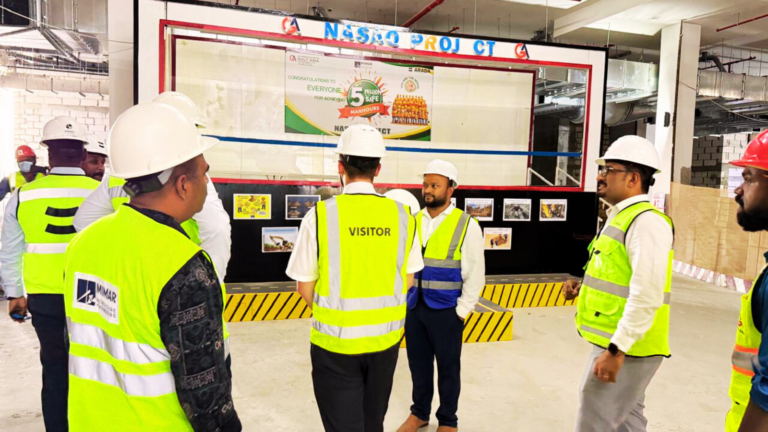
Risk Assessment and Hazard Identification Walking through facilities, HSE Officers spot potential dangers before they become incidents. This includes everything from identifying slip hazards to evaluating complex chemical storage procedures.
Developing Safety Policies and Procedures Creating clear, actionable safety protocols that workers can actually follow—not just documents that gather dust in filing cabinets.
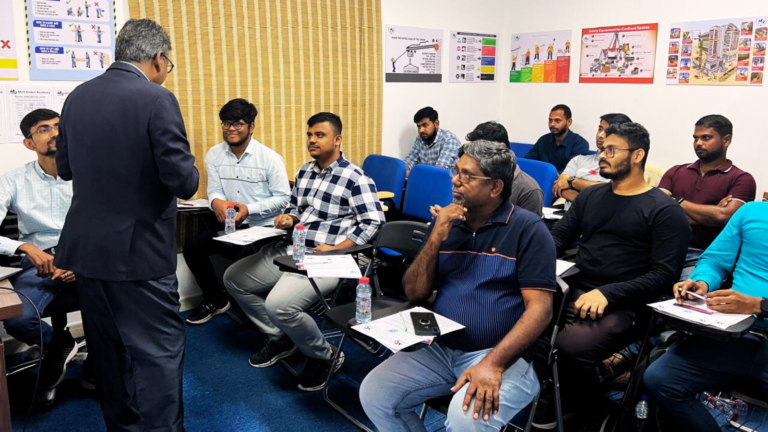
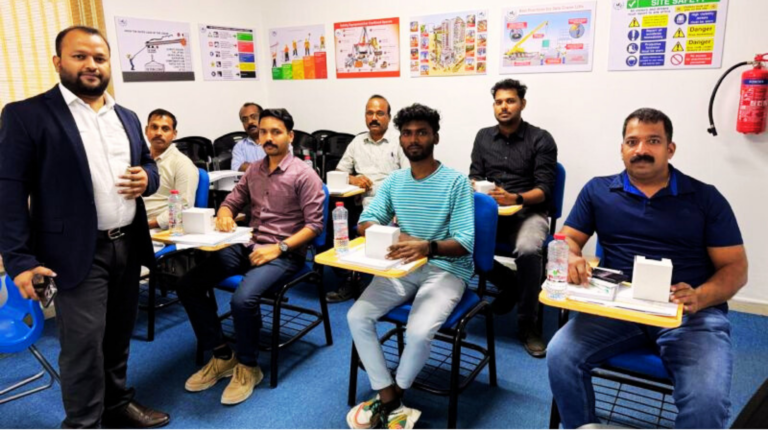
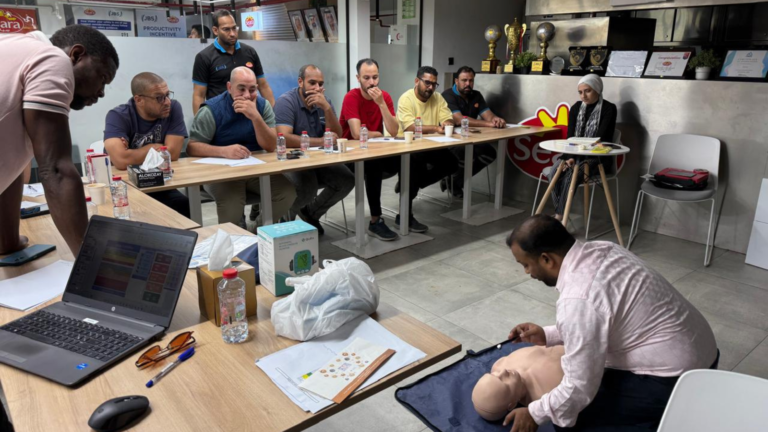
Conducting Safety Training and Toolbox Talks Educating teams about proper procedures, emergency responses, and hazard awareness. Effective HSE Officers are excellent communicators who can explain complex concepts simply.
Incident Investigation and Reporting When accidents occur, HSE Officers investigate root causes, document findings, and implement corrective actions to prevent recurrence.
Regulatory Compliance Ensuring the organization meets requirements from bodies like UAE’s Ministry of Human Resources and Emiratisation (MoHRE), OSHAD (Abu Dhabi), and international standards like ISO 45001.
Environmental Monitoring Managing waste disposal, emissions control, and environmental impact assessments—particularly crucial in oil and gas, manufacturing, and construction sectors.
Why HSE Officers Are Critical in the UAE Market
The United Arab Emirates has positioned itself as a global business hub with world-class infrastructure. This growth comes with serious safety imperatives.
According to the UAE Ministry of Human Resources and Emiratisation, workplace safety regulations have become increasingly stringent, with substantial penalties for non-compliance. The Abu Dhabi Occupational Safety and Health System Framework (OSHAD-SF) sets comprehensive standards that organizations must follow.
Key Industry Drivers:
- Mega construction projects (EXPO sites, smart cities, infrastructure developments)
- Expanding oil and gas operations
- Growing manufacturing and logistics sectors
- Heightened regulatory enforcement
- International safety standard adoption
This creates a robust job market for qualified HSE professionals. Companies recognize that investing in safety isn’t just ethical—it’s economically smart. Workplace incidents cost organizations millions in medical expenses, legal fees, productivity loss, and reputational damage.

Essential Qualifications and Skills for HSE Officers
Educational Requirements
Minimum Requirements:
- Bachelor’s degree in Occupational Health and Safety, Engineering, Environmental Science, or related field
- Many positions accept relevant diplomas with substantial experience
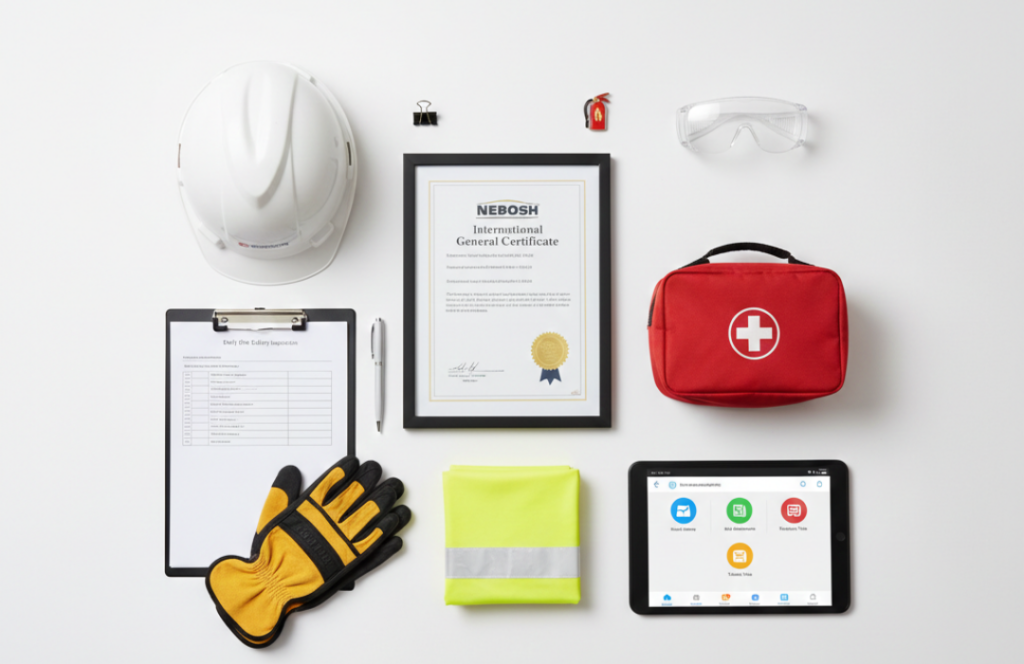
Professional Certifications: The right certifications significantly boost your employability and earning potential:
| Certification | Issuing Body | Recognition Level |
|---|---|---|
| NEBOSH IGC | NEBOSH (UK) | Internationally recognized |
| IOSH Managing Safely | IOSH (UK) | Global standard |
| OSHA 30-Hour | OSHA (USA) | Widely accepted |
| NEBOSH Diploma | NEBOSH (UK) | Advanced level |
| ISO 45001 Lead Auditor | Various accredited bodies | International |
| OSHAD | OSHAD (Abu Dhabi) | UAE-specific (required for Abu Dhabi) |
M2Y Safety Consultancy offers comprehensive HSE Officer training programs designed specifically for UAE market requirements, combining international standards with local regulatory compliance.
Critical Skills Beyond Certificates
Technical Knowledge: Understanding of risk assessment methodologies, safety management systems, emergency response procedures, and industry-specific hazards.
Communication Excellence: You’ll present to senior management, train frontline workers, and write detailed reports. Clear communication across all organizational levels is non-negotiable.
Attention to Detail: Missing a single hazard during an inspection could have fatal consequences. Successful HSE Officers possess meticulous observational skills.
Problem-Solving Abilities: Safety challenges rarely have textbook solutions. You’ll need creative thinking to balance safety requirements with operational realities.
Cultural Sensitivity: UAE workplaces are incredibly diverse. Effective HSE Officers communicate safety concepts across language barriers and cultural differences.
Regulatory Knowledge: Staying current with evolving local and international safety regulations requires continuous learning.
HSE Officer Jobs in UAE: Market Overview and Opportunities
The UAE job market for HSE professionals remains robust, with opportunities spanning multiple sectors.
Salary Expectations
Compensation varies based on experience, qualifications, and industry:
| Experience Level | Monthly Salary Range (AED) |
|---|---|
| Entry-Level (0-2 years) | 4,000 – 8,000 |
| Mid-Level (3-5 years) | 8,000 – 15,000 |
| Senior (6-10 years) | 15,000 – 25,000 |
| HSE Manager (10+ years) | 25,000 – 40,000+ |
Note: Salaries often include benefits like accommodation, transportation, health insurance, and annual flights.
Top Industries Hiring HSE Officers
Construction and Infrastructure: The largest employer of HSE professionals in the UAE, with constant demand across residential, commercial, and mega-projects.
Oil and Gas: Offering the highest salaries due to high-risk environments and strict safety requirements.
Manufacturing: Growing rapidly with UAE’s economic diversification initiatives.
Healthcare: Hospitals and medical facilities require HSE Officers to manage clinical and occupational safety.
Logistics and Warehousing: E-commerce growth drives demand for warehouse safety specialists.
Finding HSE Officer Jobs in UAE
Effective Job Search Strategies:
- Professional Networks: LinkedIn remains powerful for connecting with recruiters and hiring managers
- Specialized Recruitment Agencies: Firms like Michael Page, Hays, and Robert Half focus on HSE placements
- Company Websites: Major employers like ADNOC, Emaar, and Arabtec post openings directly
- Job Portals: Bayt.com, Indeed UAE, and GulfTalent regularly feature HSE positions
- Professional Associations: Join Emirates Society for Occupational Safety and Health (ESOSH) for networking
Application Tips: Tailor your CV to highlight relevant certifications, specific industry experience, and measurable safety improvements you’ve achieved (e.g., “Reduced incident rate by 35% over 18 months”).
Career Progression: From HSE Officer to Senior Leadership
The HSE career path offers clear advancement opportunities:
HSE Officer → Senior HSE Officer (2-3 years) Taking on more complex sites, mentoring junior officers, leading specific safety initiatives.
Senior HSE Officer → HSE Supervisor/Coordinator (3-5 years) Managing small teams, overseeing multiple sites, developing department-wide programs.
HSE Supervisor → HSE Manager (5-8 years) Strategic planning, budget management, senior stakeholder engagement, departmental leadership.
HSE Manager → Head of HSE/Director (10+ years) Organization-wide safety strategy, regulatory liaison, board-level reporting, corporate safety culture development.
Some professionals branch into specialized areas like fire safety engineering, industrial hygiene, or environmental management, creating alternative career trajectories with unique opportunities.
Day in the Life: What HSE Officers Actually Do
Let’s walk through a typical day for an HSE Officer at a construction site in Dubai:
6:30 AM – Site Inspection Arrive before peak activity to conduct pre-work inspections. Check scaffolding integrity, verify personal protective equipment (PPE) availability, ensure proper signage.
8:00 AM – Toolbox Talk Brief workers on the day’s safety focus—perhaps working at heights or heat stress prevention. Answer questions, address concerns.
9:30 AM – Permit Review Review and approve permits for hot work, confined space entry, and excavation. Verify all safety controls are in place.
11:00 AM – Incident Investigation A minor hand injury occurred yesterday. Interview witnesses, examine the work area, identify root causes, recommend corrective actions.
1:00 PM – Documentation Update incident logs, complete inspection reports, review near-miss submissions, respond to management inquiries.
2:30 PM – Safety Committee Meeting Collaborate with project managers and subcontractors to discuss upcoming high-risk activities and safety planning.
4:00 PM – Training Session Conduct a session on new emergency evacuation procedures with site supervisors.
5:00 PM – Final Walkthrough End-of-day site inspection to ensure proper shutdown procedures, secure storage of hazardous materials, and readiness for tomorrow.
It’s demanding, sometimes stressful, but deeply rewarding when you see your work protecting lives.
Why Choose M2Y Safety Consultancy for HSE Training?
At M2Y Safety Consultancy, we understand that quality training makes the difference between a certificate holder and a competent HSE professional.
Our HSE Officer Course Includes:
✓ Internationally recognized certifications aligned with UAE requirements
✓ Practical, scenario-based training from experienced industry professionals
✓ Current regulatory frameworks (OSHAD, MoHRE, Dubai Municipality)
✓ Real case studies from UAE construction, oil and gas, and manufacturing sectors
✓ Job placement support and career guidance
✓ Flexible learning options including classroom and blended delivery
We’ve trained hundreds of successful HSE Officers now working across the Emirates and internationally. Our courses are designed not just to help you pass exams, but to prepare you for the actual challenges you’ll face on-site.
Overcoming Common Challenges HSE Officers Face
Challenge 1: Production Pressure vs. Safety Workers and supervisors sometimes view safety protocols as obstacles to productivity.
Solution: Build relationships, communicate the business case for safety, and find practical solutions that protect workers without unnecessarily slowing work.
Challenge 2: Cultural and Language Barriers UAE sites employ workers from dozens of countries speaking various languages.
Solution: Use visual aids, conduct multilingual toolbox talks, employ interpreters when necessary, and create simple, pictogram-based safety communications.
Challenge 3: Keeping Up with Changing Regulations Safety standards and regulations evolve continuously.
Solution: Join professional associations, subscribe to regulatory updates, attend conferences, and pursue continuing education through organizations like M2Y Safety Consultancy.
Challenge 4: Gaining Management Buy-In Some organizations see safety as a cost center rather than an investment.
Solution: Present data-driven cases showing ROI of safety programs, link safety performance to business outcomes, and celebrate safety successes publicly.
Frequently Asked Questions (FAQs)
Most employers require a bachelor's degree in a relevant field plus professional certifications like NEBOSH IGC or IOSH. However, candidates with diplomas and substantial experience plus strong certifications can also find opportunities, particularly at entry to mid-level positions.
Yes, if you're working in Abu Dhabi, particularly in construction, OSHAD certification is mandatory. Other emirates don't require OSHAD specifically, but it's highly valued. Dubai and other emirates follow federal guidelines and international standards.
Entry-level HSE Officers typically earn 4,000-8,000 AED monthly, while experienced professionals earn 15,000-25,000 AED or more. Oil and gas sectors offer the highest compensation. Salaries usually include benefits like housing, transportation, and health insurance.
While challenging, it's possible with the right qualifications. Focus on obtaining recognized certifications (NEBOSH, IOSH), consider internships or volunteer positions to gain practical experience, and target entry-level roles in industries with active HSE programs.
Basic certifications like NEBOSH IGC take approximately 2-3 weeks of intensive training plus examination time. More comprehensive programs, including practical components, may take 1-3 months. Advanced qualifications like NEBOSH Diploma can take 12-18 months.
The UAE offers excellent career progression. You can advance from HSE Officer to Senior Officer, Supervisor, Manager, and eventually Head of HSE or Director positions. Alternatively, specialize in areas like fire safety, environmental management, or become an independent consultant. The growing emphasis on workplace safety ensures strong long-term prospects.
Conclusion: Your Path to a Meaningful HSE Career Starts Here
Becoming an HSE Officer isn’t just about finding a job—it’s about choosing a career with purpose. You’ll go to bed knowing your work prevented injuries, protected the environment, and maybe even saved lives.
The UAE market offers tremendous opportunities for qualified HSE professionals. With the right training, certifications, and commitment to continuous learning, you can build a rewarding career that makes a genuine difference.
Whether you’re starting fresh or advancing your existing safety career, professional training is your foundation. M2Y Safety Consultancy provides the comprehensive preparation you need to succeed in this dynamic field, combining international best practices with UAE-specific regulatory requirements.
Ready to take the next step?
Visit M2Y Safety Consultancy to explore our HSE Officer training programs, check current course schedules, and speak with our career advisors about which pathway is right for you.
The safety profession needs dedicated people like you. The question isn’t whether you can succeed as an HSE Officer—it’s when you’ll start your journey.
For more information about occupational safety standards and regulations in the UAE, visit the UAE Ministry of Human Resources and Emiratisation or the Abu Dhabi Occupational Safety and Health Center.