OSHA Certification: Your Complete Guide to Workplace Safety Training in the UAE
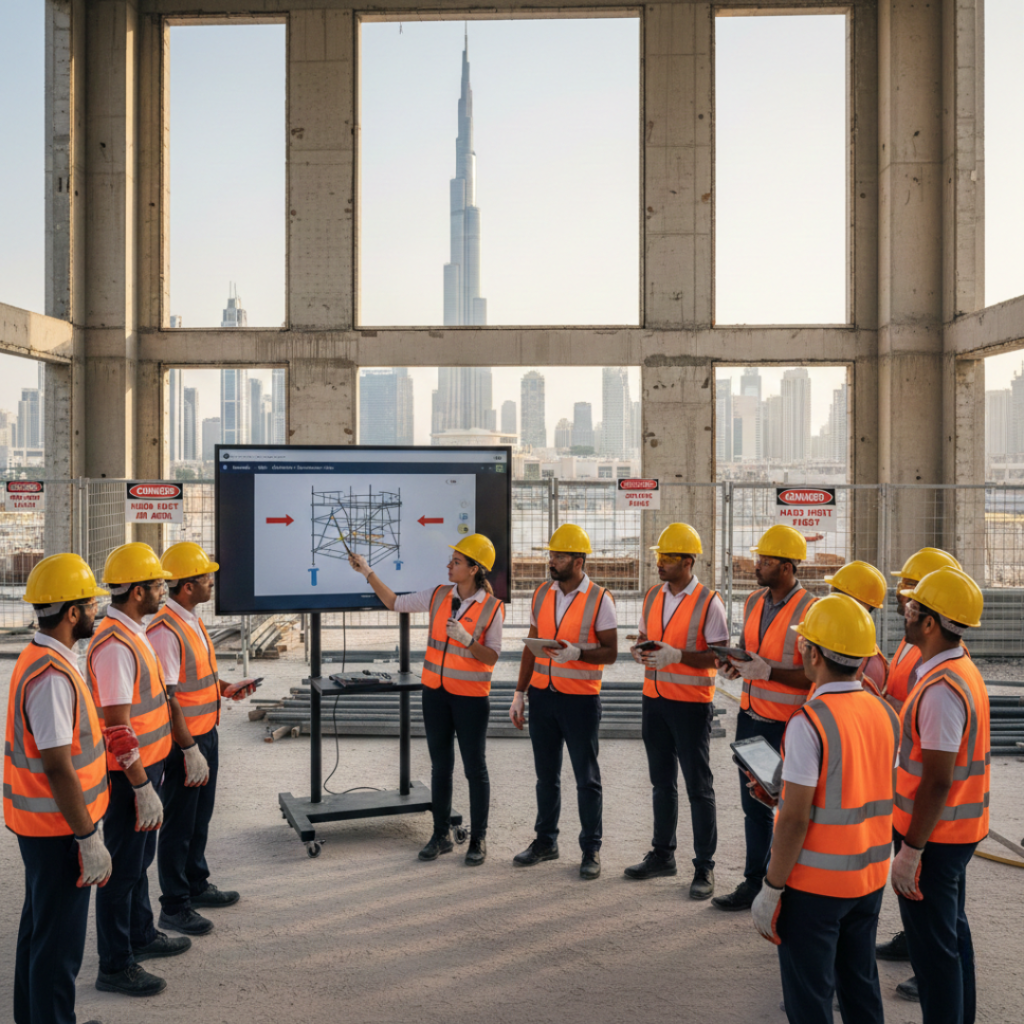
Picture this: You’re standing on a construction site in Dubai, watching workers navigate scaffolding under the scorching sun. Suddenly, you notice someone without proper fall protection. Your heart skips a beat. Could this have been prevented? Absolutely—and that’s exactly why OSHA certification exists.
Whether you’re a safety manager trying to meet compliance requirements, a construction worker wanting to advance your career, or a business owner responsible for your team’s wellbeing, understanding OSHA certification isn’t just about ticking boxes. It’s about ensuring everyone goes home safe at the end of the day.
I’ve worked with dozens of companies across the UAE helping them implement safety training programs, and I’ve seen firsthand how proper OSHA certification transforms workplace culture. Let me walk you through everything you need to know.
POPULAR TRAINING CATEGORIES
M2Y Global Academy offers a complete suite of OSHA-based training programs in collaboration with OSHAS.
Each course includes practical knowledge, expert instruction, and real-world applications to ensure maximum impact.
Available Courses:
10 Hours General Industry Standards
30 Hours General Industry Standards
48 Hours OSH Manager
56 Hours OSH Train the Trainer
132 Hours OSH Professional
Industrial Safety & Health Specialist
Hazardous Chemical Safety – Train the Trainer
International Level 3 Award in First Aid at Work
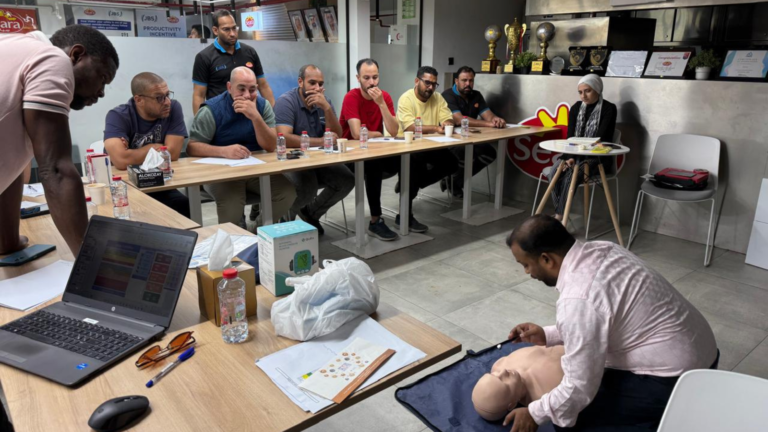
First Aid & CPR
International Level 3 Award in Fire Safety Management
Fire Warden
Fire Watcher
Fire Safety (Train the Trainer)
Level 4 Diploma in Fire Safety Management
Certified Fire Fighter I
Fire Safety and Prevention
Level 2 Award in Defensive Driving
Defensive Driving (Train the Trainer)
Certified Safety Trainer
Work Permit Receiver
Level 2 Award in Scaffolding Safety
Train the Trainer (OHS)
Level 3 Award in Process Safety Management
Level 2 Certificate in Pipefitting
Rig Safety Officer
International Certificate in Oil and Gas Safety
Hydrogen Sulphide (H2S) Safety
70-Hour Train-the-Trainer (Oil & Gas Safety)
Authorised Gas Testing Training
Level 3 Award in Oil and Gas Safety
Basic Offshore Safety Induction and Emergency Training (BOSIET)
Offshore Oil & Gas Safety
OSHA 48 Hours Oil and Gas Industry
Level 2 Award in Self-Contained Breathing Apparatus (SCBA)
30 Hours Construction Industry Standards
48 Hours Construction Industry Standards
10 Hours Construction Industry Standards
30-Hours Construction Safety & Health
132 Hours Construction Safety & Health (Train The Trainer)
Chartered Member (CM-OSHAS)
Level 3 Award in Environmental Management
Environmental Sustainability Management
Level 2 Award in Environmental Management
Advanced Diploma in Environmental Engineering
Level 4 Award in Environmental Management
Environmental Impact Assessment (EIA)
Environmental Specialist
Scaffolding Inspector
Rigging & Lifting Supervisor
Scaffold Erection & Dismantling
Rigger-III
Rigger-II
Rigger-I
Level 3 Award in Scaffolding Inspection
Level 1 Award in Scaffolding Safety
Scaffolding Supervisor
Level 3 Award in Rigging and Lifting
Level 2 Award in Crane Lifting Operations
What Is OSHA Certification? Breaking Down the Basics
OSHA stands for the Occupational Safety and Health Administration. While OSHA is a U.S. government agency, its training standards have become the global benchmark for workplace safety education—including here in the UAE.
OSHA certification is a credential you earn after completing authorized safety training courses. These courses teach you to identify hazards, prevent accidents, and create safer work environments.
Think of it this way: Just as you wouldn’t drive without a license, you shouldn’t work in hazardous environments without proper safety training. OSHA certification is that license for workplace safety.
Why OSHA Certification Matters in the UAE
The UAE has adopted many international safety standards to protect its diverse workforce. With massive construction projects, oil and gas operations, and industrial facilities, workplace safety isn’t optional—it’s essential.
Here’s what makes OSHA certification valuable:
- Career advancement: Certified workers often command higher salaries and better positions
- Legal compliance: Many UAE companies require OSHA training to meet safety regulations
- Risk reduction: Proper training decreases workplace accidents by up to 60%, according to OSHA statistics
- Insurance benefits: Companies with certified staff often receive better insurance rates
Types of OSHA Certification: Which One Do You Need?
Not all OSHA certifications are created equal. Let’s break down the main options:
OSHA 10-Hour Certification
Best for: Entry-level workers, new employees, general awareness
The OSHA 10-hour course provides foundational safety knowledge. It typically covers:
- Hazard recognition
- Fall protection basics
- Electrical safety fundamentals
- Personal protective equipment (PPE)
- Emergency procedures
Duration: 10 hours of training (usually completed over 2 days)
Who should take it: Construction workers, warehouse staff, manufacturing employees
OSHA 30-Hour Certification
Best for: Supervisors, safety coordinators, team leaders
The OSHA 30-hour certification dives deeper into safety management and regulatory compliance. This is the course I recommend for anyone with supervisory responsibilities.
What you’ll learn:
- Advanced hazard identification
- Safety program development
- OSHA standards and regulations
- Workers’ rights and employer responsibilities
- Incident investigation techniques
Duration: 30 hours (typically 4-5 days)
Career impact: According to the National Safety Council, supervisors with OSHA 30 certification see an average 15-20% salary increase.
Specialized OSHA Training
Beyond the standard 10 and 30-hour courses, specialized certifications exist for:
- Confined space entry
- Hazardous materials handling
- Crane and rigging operations
- Scaffolding safety
- First aid and emergency response
OSHA Certificate UAE: Training Options in the Emirates
Finding quality OSHA training in the UAE is easier than you might think. Several authorized training providers offer both in-person and online options.
Choosing the Right Training Provider
When selecting an OSHA training provider in the UAE, verify:
- Authorization status: Ensure they’re recognized by OSHA or affiliated with authorized outreach trainers
- Instructor credentials: Look for trainers with real-world safety experience
- Course delivery: Check if they offer flexible scheduling (online, in-person, or hybrid)
- Certification validity: Confirm the certificate is recognized by UAE authorities
Pro tip: At M2Y Safety, we provide comprehensive OSHA training programs tailored to UAE workplace requirements, ensuring you get certification that’s both internationally recognized and locally relevant.
OSHA Certification Cost: Investment Breakdown
Let’s talk numbers. Understanding the OSHA certification cost helps you budget appropriately.
| Course Type | Typical Cost (UAE) | Duration | Best For |
|---|---|---|---|
| OSHA 10-Hour | AED 800 – 1,200 | 2 days | Entry-level workers |
| OSHA 30-Hour | AED 1,800 – 2,500 | 4-5 days | Supervisors, managers |
| Specialized Training | AED 1,000 – 3,000 | Varies | Industry-specific roles |
| Online Courses | AED 600 – 2,000 | Self-paced | Flexible learners |
What Affects the Price?
Several factors influence OSHA certification costs:
- Training format: Online courses typically cost 20-30% less than in-person training
- Provider reputation: Established training centers may charge premium rates
- Group discounts: Many providers offer reduced rates for company-wide training
- Additional materials: Some programs include books, PPE kits, or ongoing support
Is it worth the investment? Absolutely. The Bureau of Labor Statistics reports that workplace injuries cost U.S. businesses $170 billion annually. Proper training drastically reduces these costs.
How to Get OSHA Certified: Step-by-Step Process
Getting your OSHA certification doesn’t have to be complicated. Here’s exactly how it works:
Step 1: Identify Your Needs
Ask yourself:
- What’s your current role?
- Does your employer require specific certification?
- Are you looking to advance your career?
Step 2: Choose Your Course
Select between OSHA 10 or 30-hour based on your role. When in doubt, go with OSHA 30—it opens more doors.
Step 3: Find an Authorized Provider
Search for reputable training centers in your area. Check reviews, ask for references, and verify their credentials.
Step 4: Complete the Training
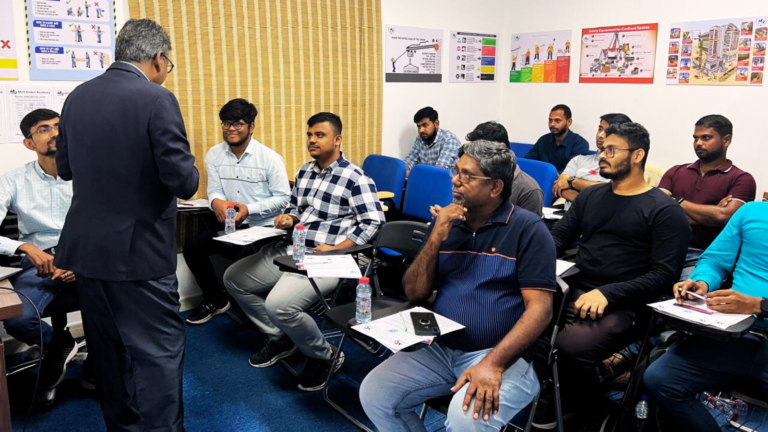
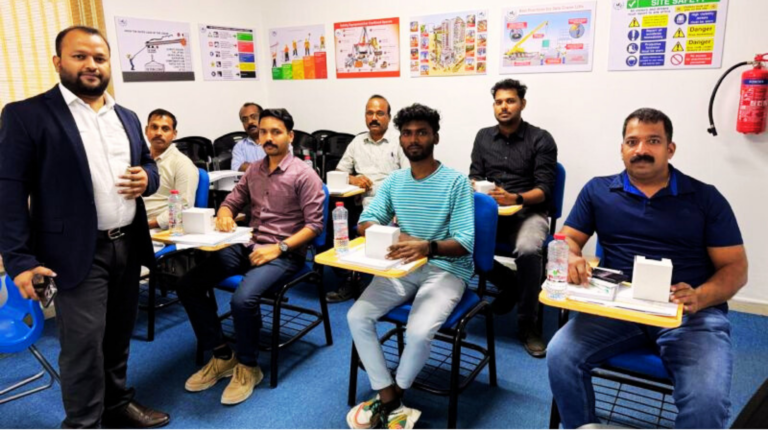
Attend all sessions, participate actively, and take notes. The knowledge you gain could literally save lives.
Step 5: Pass the Assessment
Most OSHA courses include a final exam. Don’t worry—if you’ve paid attention, you’ll do fine. Pass rates typically exceed 90%.
Step 6: Receive Your Certificate
Upon successful completion, you’ll receive your official OSHA certification card. This typically arrives within 2-4 weeks.
Step 7: Maintain Your Knowledge
OSHA recommends refresher training every 3-5 years. Safety standards evolve, and so should your knowledge.
OSHA Certification Flowchart
[Start: Need OSHA Certification?]
↓
[Are you in a supervisory role?]
↓ ↓
[YES] [NO]
↓ ↓
[OSHA 30-Hour] [OSHA 10-Hour]
↓ ↓
[Choose Training Provider]
↓
[Complete Course (Online/In-Person)]
↓
[Pass Final Assessment]
↓
[Receive Certification Card]
↓
[Apply Knowledge at Workplace]
↓
[Schedule Refresher Training in 3-5 Years]
Real-World Benefits: How OSHA Certification Changes Lives
Let me share a story that illustrates why this matters.
Ahmed, a construction supervisor in Abu Dhabi, attended our OSHA 30-hour certification course two years ago. Three months later, he noticed improper rigging on a crane lift that could have resulted in a catastrophic failure. Because of his training, he immediately stopped the operation and corrected the issue.
That intervention potentially saved multiple lives and prevented millions in damages. Ahmed’s company recognized his expertise and promoted him to site safety manager with a 35% salary increase.
That’s the power of proper safety training.
Common Industries Requiring OSHA Certification in the UAE
OSHA certification isn’t limited to construction. Here’s where it’s most valuable:
Construction & Engineering
- Site workers
- Project managers
- Contractors and subcontractors
Oil & Gas
- Rig workers
- Maintenance technicians
- Safety coordinators
Manufacturing
- Machine operators
- Production supervisors
- Quality control specialists
Warehousing & Logistics
- Forklift operators
- Warehouse managers
- Loading dock personnel
Healthcare Facilities
- Hospital maintenance staff
- Laboratory workers
- Facility managers
FAQs About OSHA Certification
While the UAE has its own safety regulations under the Ministry of Human Resources and Emiratisation, many companies require OSHA certification as it represents international best practices. It's not legally mandatory for all workers, but increasingly expected by major employers.
OSHA certification cards don't technically expire. However, OSHA recommends refresher training every 3-5 years to stay current with evolving standards. Some employers may require more frequent updates.
Yes! OSHA-authorized online courses are available and equally valid. However, certain hands-on components may require in-person verification. According to OSHA's official website, online training must meet specific criteria to be considered compliant.
OSHA certification focuses on U.S. standards that have been adopted globally. Other certifications like NEBOSH (UK-based) or IOSH offer similar but distinct approaches. Many safety professionals hold multiple certifications.

Absolutely. UAE employers, especially international companies and large construction firms, highly value OSHA certification. It demonstrates your commitment to safety and professional development.
Most training providers allow you to retake the exam. Some offer unlimited attempts within a certain timeframe. The goal is learning, not gatekeeping.
Many employers cover the cost of OSHA training as part of professional development. It's worth asking—safety training benefits both you and your company.
If you have or aspire to supervisory roles, OSHA 30 is the better choice. It's more comprehensive and carries more weight with employers. For general workers, OSHA 10 provides excellent foundational knowledge.
Beyond Certification: Building a Culture of Safety
Getting certified is just the beginning. True workplace safety comes from applying what you learn every single day.
Here’s how to maximize your OSHA certification:
Share your knowledge: Teach colleagues what you’ve learned Speak up: Report hazards immediately, no matter how small Lead by example: Always use proper PPE and follow procedures Stay updated: Subscribe to safety publications and attend workshops Document everything: Keep records of safety observations and improvements



According to the International Labour Organization, workplaces with strong safety cultures experience 70% fewer incidents than those without.
Taking the Next Step: Your Safety Journey Starts Now
Workplace safety isn’t about fear—it’s about empowerment. OSHA certification gives you the knowledge and confidence to protect yourself and others.
Whether you’re pursuing OSHA certificate UAE recognition to advance your career, fulfill employer requirements, or simply become a safer, more valuable team member, the investment pays dividends for years to come.
The question isn’t whether you can afford OSHA certification. It’s whether you can afford not to have it.
Ready to Get Certified?
At M2Y Safety, we make OSHA certification accessible, affordable, and practical for UAE professionals. Our experienced instructors bring real-world expertise to every course, ensuring you don’t just pass an exam—you gain skills that matter.
Visit M2Y Safety today to:
- Explore our OSHA 10 and 30-hour certification programs
- Get a customized quote for your team
- Schedule your training at a time that works for you
- Join thousands of certified safety professionals across the UAE
Remember: Every expert was once a beginner. Your journey to becoming a safety leader starts with a single step.
Take that step today. Your future self—and your colleagues—will thank you.